

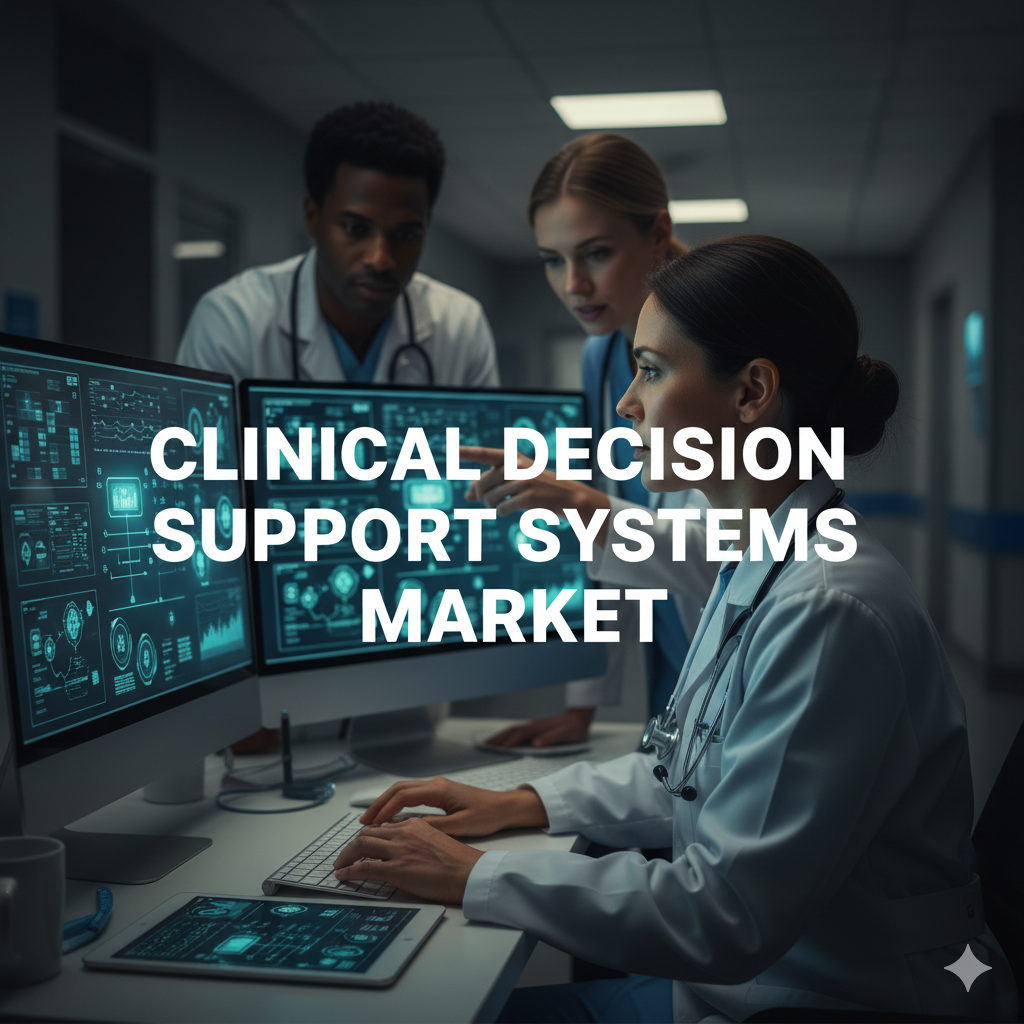
In the high-stakes environment of modern healthcare, where clinicians are inundated with data and the margin for error is vanishingly small, a technological revolution is quietly gaining momentum. Fuelelled by a potent mix of regulatory pressure, financial incentives, and a post-pandemic drive for efficiency, global investment is pouring into Clinical Decision Support Systems (CDSS), transforming them from a niche tool into the central nervous system of clinical operations. These sophisticated software platforms, designed to assist healthcare providers in making complex decisions at the point of care, are becoming indispensable, promising a new era of enhanced patient safety, reduced costs, and data-driven medicine.
The numbers speak to a market in the throes of explosive growth. The Clinical Decision Support Systems Market was valued at USD 5.09 billion in 2024 and is expected to reach USD 11.59 billion by 2032, growing at a CAGR of 10.84% from 2025-2032. This projection, from a recent analysis by market research firm Data Bridge, underscores a fundamental shift in how healthcare systems worldwide are allocating capital. The investment is no longer a tentative experiment but a strategic imperative.
From Alerts to AI: The Evolution of CDSS
The earliest CDSS were relatively simple, rule-based systems that fired alerts for drug interactions or reminded physicians of routine protocols. Today’s systems are a different breed. Powered by artificial intelligence (AI) and machine learning (ML), they can sift through vast electronic health records (EHRs), real-time patient monitoring data, and global medical literature to provide predictive analytics and personalised recommendations.
“We’ve moved beyond passive alerts to proactive, intelligent partners in care,” explains Dr. Anya Sharma, a Chief Medical Information Officer at a major metropolitan hospital network. “A modern CDSS can flag a patient at high risk for sepsis hours before clinical symptoms become obvious, suggest a tailored chemotherapy regimen based on genomic data, or help a primary care physician navigate complex co-morbidity cases. This isn’t about replacing the doctor; it’s about augmenting their expertise with a depth of data analysis that is humanly impossible.”
This technological leap is a primary driver of investor confidence. Venture capital firms and major tech corporations are aggressively funding startups and established players alike who are developing next-generation algorithms. The focus areas are clear: oncology, cardiology, and diagnostics, where the complexity of decision-making and the potential for improved outcomes are highest.
The Investment Imperative: A Trifecta of Drivers
The surge in funding is not happening in a vacuum. It is being propelled by a powerful confluence of factors:
1. The Regulatory and Financial Push: Governments and payers are increasingly linking reimbursement to patient outcomes and value-based care. Regulations like the CMS Promoting Interoperability Program in the United States incentivize the use of certified EHR technology, including CDSS, to improve quality, safety, and efficiency. Hospitals are investing in these systems not just as a clinical tool, but as a financial necessity to avoid penalties and secure higher reimbursements.
2. The Data Deluge and Burnout Crisis: The volume of medical data is doubling every few months. Clinicians are suffering from “alert fatigue” and administrative burden, contributing to widespread professional burnout. A smart CDSS, integrated seamlessly into clinical workflows, can act as a filter, surfacing only the most critical information and automating routine checks. This has a dual benefit: it improves patient safety by reducing diagnostic errors and helps retain a precious healthcare workforce by making their jobs more manageable.
3. The Post-Pandemic Acceleration: The COVID-19 pandemic exposed critical vulnerabilities in healthcare systems, particularly in the areas of diagnostics, resource allocation, and remote care. CDSS played a vital role in managing patient triage, tracking ventilator usage, and integrating rapidly evolving treatment guidelines directly into clinician workflows. This proven utility during a global crisis has cemented the reputation of CDSS as a critical component of resilient healthcare infrastructure.
Challenges on the Road to Adoption
Despite the bullish investment climate, significant hurdles remain. The high initial cost of implementation and integration with legacy EHR systems can be a barrier for smaller hospitals and practices. Data privacy and security concerns are paramount, especially as these systems handle incredibly sensitive health information. Furthermore, the “black box” problem of some AI algorithms—where the reasoning behind a recommendation is not transparent—can lead to clinician skepticism and resistance.
“Trust is the currency of medicine,” notes Michael Thorne, a healthcare technology analyst. “For CDSS to be fully embraced, the technology must be transparent, evidence-based, and designed to support, not undermine, the clinician-patient relationship. The next wave of investment needs to focus not just on algorithmic power, but on usability, explainability, and seamless interoperability.”
The Future: Predictive, Personalized, and Proactive
Looking ahead, the trajectory of CDSS points towards even greater integration and intelligence. The future lies in predictive health models that can identify population-level health risks and guide preventative care strategies. Interoperability standards will allow CDSS to draw data from a patient’s wearable devices, home monitors, and genetic profiles, creating a holistic, real-time picture of their health.
The massive financial commitment reflected in the market’s projected growth to USD 11.59 billion is a clear signal. Clinical Decision Support Systems are evolving from a supportive tool to a foundational pillar of modern healthcare. As investment continues to flow into refining these digital compasses, the promise is a healthcare system that is not only smarter and more efficient but fundamentally safer and more humane for patients and providers alike. The era of data-driven medicine has arrived, and its brain is a sophisticated CDSS, quietly working in the background to guide every critical decision.