

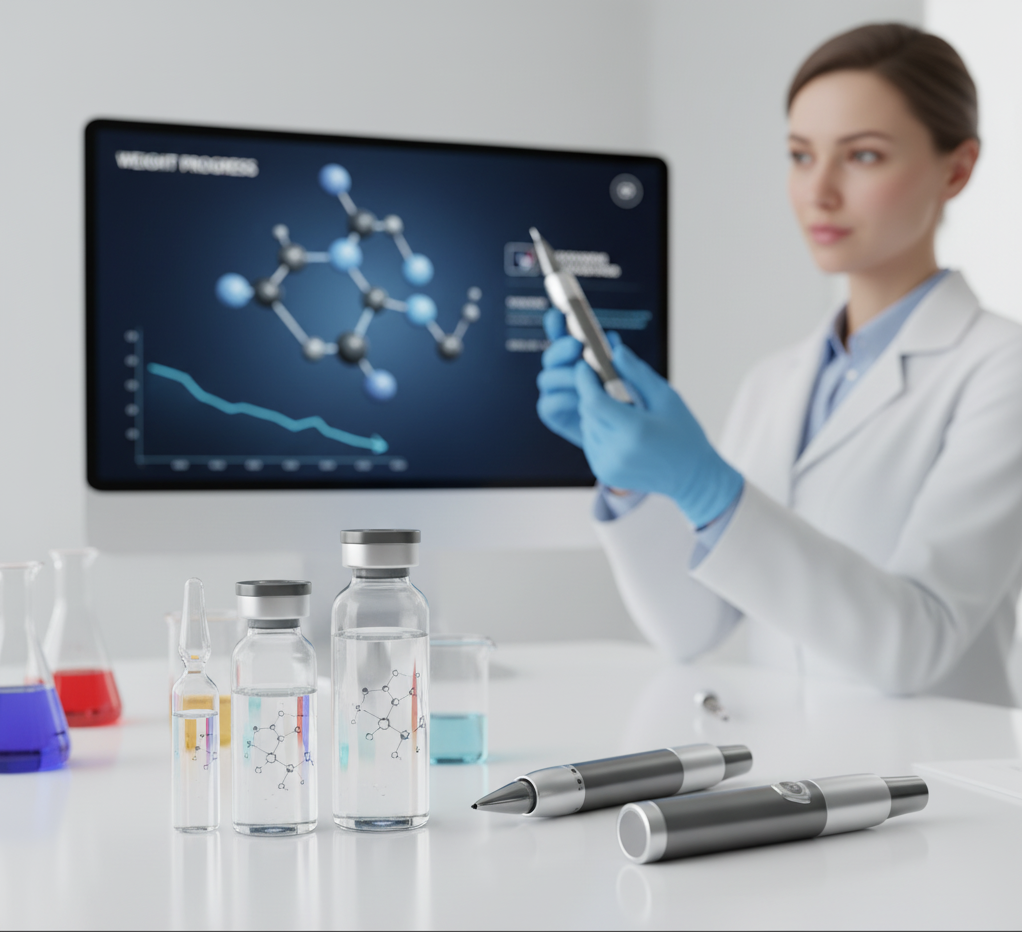
The global pharmaceutical industry is in the throes of a seismic shift, driven by a class of drugs so effective and so in demand that they are reshaping market valuations, corporate strategies, and the very landscape of metabolic disease treatment. The weight loss drug market, once a graveyard of failed promises and modest results, has exploded into a high-stakes arena where a handful of pharmaceutical titans are vying for a piece of a potential trillion-dollar pie. Fueled by groundbreaking science and overwhelming consumer demand, this sector is witnessing an unprecedented investment boom, strategic realignments, and a fierce competitive battle that promises to define the next decade of healthcare.
The Science Behind the Revolution
At the heart of this revolution are drugs known as GLP-1 receptor agonists. Initially developed for type 2 diabetes, medications like semaglutide and tirzepatide have demonstrated a remarkable secondary effect: significant and sustained weight loss. They work by mimicking gut hormones that regulate appetite and insulin secretion, leading to reduced hunger, increased feelings of fullness, and slower stomach emptying. The clinical results have been staggering, with some patients achieving weight loss of 15% to over 20% of their body weight—a efficacy level previously only attainable through bariatric surgery.
This efficacy has unlocked a vast addressable market. With over one billion adults globally classified as obese and millions more struggling with overweight and related comorbidities, the patient pool is enormous. The demand is no longer niche; it is mainstream, creating a supply-constrained environment where manufacturers are racing to scale production to meet a seemingly insatiable need.
Market Valuation: A Meteoric Rise
The financial figures surrounding this market are as dramatic as the clinical outcomes. The Weight Loss Drugs Market Size was valued at USD 2.76 Billion in 2024 and is expected to reach USD 50.26 Billion by 2032, growing at a CAGR of 43.73% over the forecast period of 2025-2032. This astronomical growth trajectory underscores a fundamental belief among investors and analysts that these drugs are not a fleeting trend but a foundational new therapeutic category.
“The GLP-1 saga is arguably the most significant story in biopharma over the last 20 years,” says Dr. Anya Sharma, a healthcare analyst at Bernstein & Co. “We are looking at a market that has the potential to rival, and possibly surpass, the peak sales of the statin or oncology drug markets. The 44% CAGR is not just a number; it’s a reflection of massive under-penetration today and the vast global need. The key challenges will be pricing, reimbursement, and manufacturing scale-up.”
The Top Players: A Duopoly Under Pressure
Currently, the market is dominated by a powerful duopoly, but the competitive landscape is rapidly evolving.
1. Novo Nordisk: The Danish company is the established king, having first cracked the code with its GLP-1 drug, semaglutide. Its flagship weight loss product, Wegovy, has become a cultural and financial phenomenon. The company also sells the same molecule as Ozempic for diabetes. Novo Nordisk’s success has been so profound that it single-handedly boosted the Danish economy and briefly became Europe’s most valuable company in 2023. With a market capitalization hovering around $600 billion, the company is investing billions in expanding its manufacturing capacity across the globe. However, it has struggled to keep up with demand, leading to widespread shortages and a race to protect its first-mover advantage.
2. Eli Lilly: If Novo Nordisk is the king, Eli Lilly is the ambitious crown prince quickly closing the gap. Its drug, Mounjaro (tirzepatide) for diabetes, and Zepbound for weight loss, represent a new evolution in the science. Tirzepatide is a dual GIP and GLP-1 receptor agonist, often referred to as a “twincretin.” In head-to-head trials, it has demonstrated superior weight loss compared to semaglutide, positioning it as a potent challenger. Eli Lilly’s market value has soared past $700 billion, making it one of the most valuable healthcare companies in the world. The company is engaged in its own aggressive capital investment program, constructing new plants to ensure it can supply the market and potentially overtake its rival.
The Chasing Pack and Investment Hotspots
The sheer size of the opportunity has triggered a frenzy of investment activity beyond the big two. Companies are exploring multiple avenues to get a foothold in this lucrative space:
- Oral Formulations: Both Novo Nordisk and Eli Lilly are developing oral versions of their injectable drugs, which could dramatically improve convenience and patient adherence. Lilly’s recent acquisition of Morphic Holding for $3.2 billion, while focused on immunology, signals its aggressive use of capital to bolster its pipeline.
- Next-Generation Therapies: Pfizer, Amgen, and other giants are investing heavily in developing next-generation therapies with improved efficacy, fewer side effects, or more convenient dosing schedules. Pfizer recently abandoned its twice-daily oral candidate, lotiglipron, due to safety concerns, but is pushing forward with a once-daily version, highlighting the high-risk, high-reward nature of R&D in this field.
- The Generics and Biosimilars Horizon: While the patent cliffs for Wegovy and Zepbound are years away, investors are already looking ahead to the eventual entry of lower-cost alternatives. Companies like Teva Pharmaceuticals and a host of biotech firms are conducting early-stage research to be ready for that future market.
- Adjacent Therapeutic Areas: Investment is also flowing into companies developing treatments for the side effects of these drugs (e.g., muscle loss) or complementary therapies. The entire ecosystem around GLP-1 drugs, from diagnostic tools to digital health platforms, is attracting venture capital.
Challenges on the Horizon
Despite the euphoria, significant hurdles remain. The high cost of these drugs—often over $1,000 per month—has strained healthcare systems and insurers. Broader insurance coverage is a critical battleground that will determine the pace of market expansion. Furthermore, concerns about long-term usage, potential side effects, and the sustainability of weight loss after discontinuation are subjects of ongoing research and debate.
The Bottom Line
The weight loss drug market is more than just a pharmaceutical success story; it is a global economic event. The staggering growth projection from $2.76 billion to over $50 billion in less than a decade is a testament to its transformative potential. For now, Novo Nordisk and Eli Lilly are riding an unprecedented wave, but with hundreds of billions of dollars in revenue at stake, the competitive pressure is immense. The coming years will be defined by a relentless race for innovation, manufacturing supremacy, and market access. One thing is certain: the battle for the waistline of the world has just begun, and the financial and health implications will be felt for generations to come.