

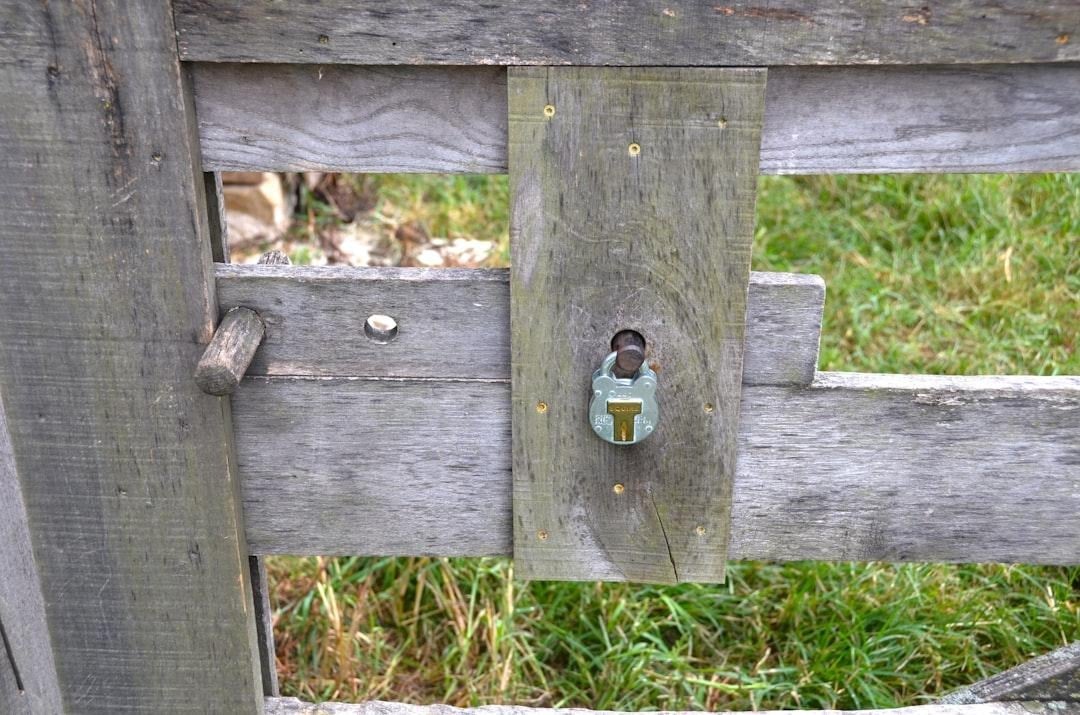
Commercial restroom partitions are typically specified around panel material, with hardware treated as a secondary decision. Service records tell a different story about where problems actually originate.
Latches, hinges, and strikes accumulate wear at rates panels never approach, and their failure produces the complaints occupants actually report.
Why Does Hardware Wear Faster?
Hardware absorbs mechanical cycling that panels do not. A stall door in a busy facility opens and closes thousands of times annually, and every cycle loads the hinge and latch.
Panels experience incidental contact by comparison. The wear differential is structural rather than a matter of component quality.
What Does Latch Failure Actually Look Like?
Latch failure is rarely a clean break. It presents as a door that no longer aligns, a latch that engages inconsistently, or a strike that has shifted enough to leave the door slightly open.
Facilities addressing this pattern often specify high-privacy partition hardware engineered for sustained cycling, since a latch that drifts out of alignment reopens the sightline gaps the system was chosen to close. Privacy performance depends on hardware holding its position over years.
That degradation is gradual enough to escape notice until occupants complain. By then alignment has usually shifted substantially.
How Does Hardware Failure Undermine Privacy?
A partition system specified for zero sightline depends on components maintaining their intended positions. Worn hinges allow the door to sag, which opens the gap along the strike side.
The facility then has a system that met its specification at installation and no longer does. Nothing about the panels changed.
What Distinguishes Heavy-Duty Hardware?
Hardware rated for high-cycle commercial use generally differs in bearing design, material thickness, and fastening method. Continuous hinges distribute load across the full door height rather than concentrating it at two or three points.
That distribution is why continuous hinges outlast conventional hinges in high-traffic applications. The load is the same and the concentration is not.
Which Components Deserve the Most Attention?
Several hardware elements carry disproportionate influence on system life:
- Hinges, particularly continuous versus point-mounted designs
- Latch and strike assemblies rated for expected cycle counts
- Fasteners and their resistance to loosening under vibration
- Brackets connecting panels to walls and floor
- Door pulls and coat hooks, which absorb incidental force
Specifying premium panels alongside economy hardware is a common and costly mismatch. The assembly performs to its weakest element.
How Does Vandalism Factor In?
Hardware is the most frequent target of deliberate damage in public restrooms. Latches and pulls are accessible, small, and easier to defeat than panels.
Tamper-resistant fasteners and reinforced designs address this specifically. Facilities with vandalism history should treat it as a specification requirement.
What Does Maintenance Actually Involve?
Preventive maintenance for partition hardware is straightforward and rarely scheduled. Periodic tightening of fasteners and checking door alignment prevents most progressive failures.
A quarterly walkthrough catching loose hardware costs a fraction of the eventual replacement. The economics strongly favor inspection.
Why Do Repairs Get Deferred?
Hardware problems present as minor annoyances rather than failures, which places them low on maintenance priority lists. A latch that works most of the time does not generate an urgent ticket.
Deferred repairs progress to alignment problems that require more than a screwdriver. The deferral converts a simple fix into a component replacement.
What Should Be Stocked?
Facilities managing multiple restrooms benefit from stocking common hardware components rather than ordering on failure. Latches, hinges, and fasteners have predictable failure rates.
Standardizing hardware across a portfolio makes that inventory practical. Mixed installations require stocking several variants.
What Should Specifiers Prioritize?
Specifiers should match hardware ratings to expected traffic rather than accepting whatever accompanies a chosen panel line. Cycle ratings and hinge design are the specifications that matter.
Asking manufacturers for hardware specifications separately from panel specifications surfaces differences that bundled quoting obscures.
How Do Cycle Ratings Compare Across Products?
Manufacturers rate hardware for expected cycle counts, and those ratings vary substantially across product lines at similar price points. Requesting the rating separately from the panel specification surfaces the difference.
Matching the rating to realistic traffic rather than to a generic commercial assumption produces better outcomes. A stadium and a small office restroom have little in common in cycle terms.
What Does Continuous Hinge Design Change?
Continuous hinges run the full height of the door, distributing load across the entire edge rather than concentrating it at discrete points. That distribution substantially reduces sag over time.
Sag is the mechanism by which alignment and privacy degrade together. Addressing it at the hinge addresses both symptoms at once.
How Does Standardization Help Maintenance?
Facilities that standardize partition hardware across their portfolio can stock a single set of replacement components rather than several variants. That consolidation shortens repair turnaround considerably.
Mixed installations accumulated through years of piecemeal replacement make this impractical. Moving toward a standard during planned replacements pays off in maintenance efficiency.
What Does Occupant Complaint Data Reveal?
Restroom complaints logged by facility teams frequently describe symptoms of hardware failure rather than naming the component, reporting doors that will not stay shut or stalls that feel exposed. Tracing complaints back to their mechanical cause converts them into actionable maintenance.
Facilities that categorize complaints this way generally identify hardware problems earlier than those treating each report in isolation. The pattern is visible in aggregate before it is obvious in any single ticket.
Hardware determines when a partition system stops performing, even though panel material dominates how these systems are specified and priced.
For facilities and specifiers, the practical step is to specify hardware to the traffic level and to schedule periodic tightening. Both cost little relative to the replacement they prevent.