

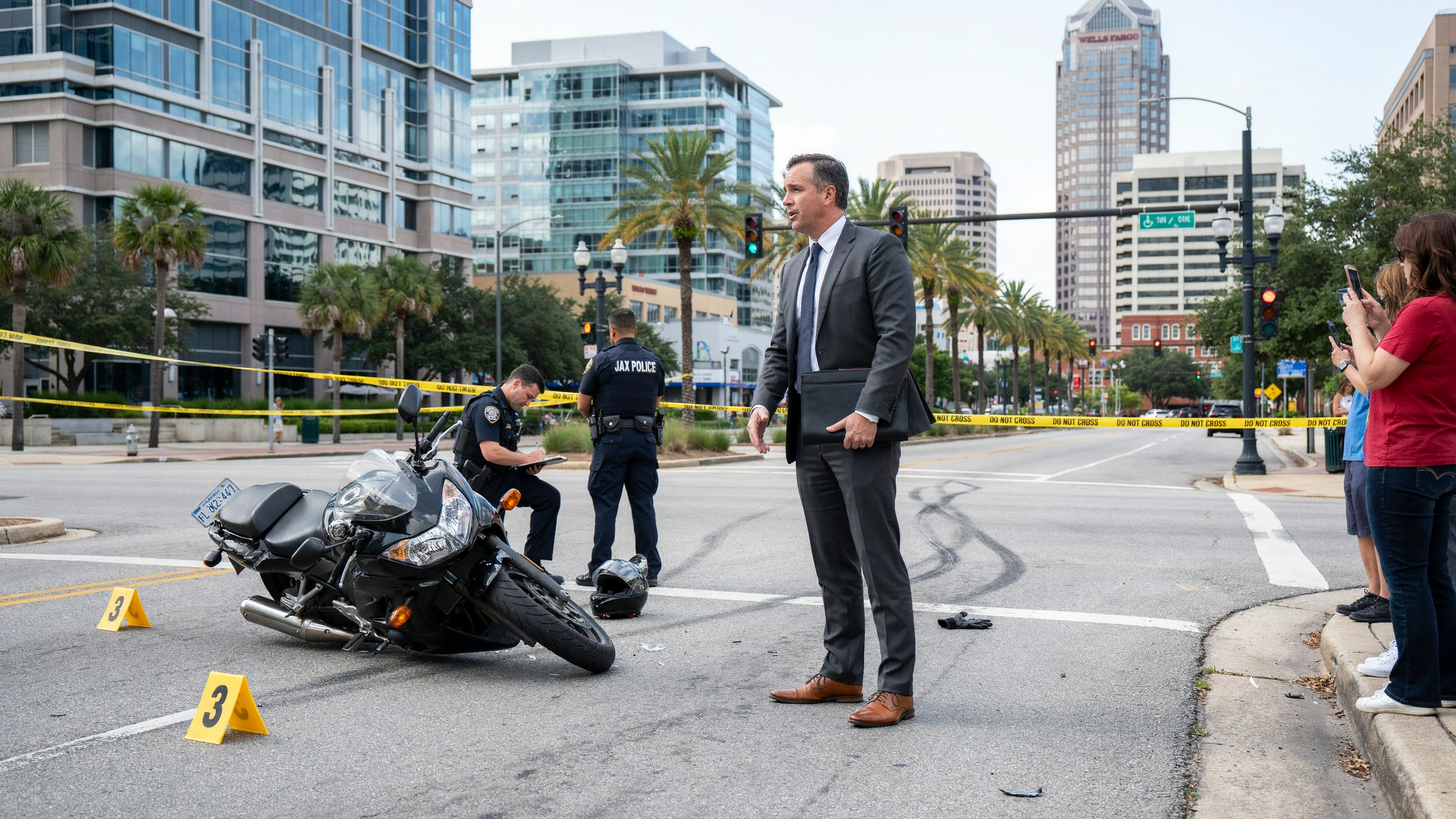
Motorcycle accident claims can be more complicated than car accident cases because riders often suffer serious injuries, and motorcycles may provide less crash data and show distinctive damage patterns. Investigators may need to evaluate visibility, road conditions, protective gear, and each person’s actions. Assumptions about rider behavior can also affect how insurers assess fault and claim value. Medical records, witness accounts, photographs, and repair evidence can help clarify what happened and document losses.
The Jacksonville Motorcycle Accident Lawyer team at Law Offices of Anidjar and Levine can explain how these issues may affect a claim.
How Do Motorcycle Claims Differ From Car Claims?
Although motorcycle and car accident claims follow many of the same legal principles, motorcycle cases often involve more severe injuries and closer scrutiny of the rider’s conduct. The evidence may also differ. A motorcycle’s smaller profile, limited onboard data, and damage patterns can make reconstruction more challenging than in a car collision. Investigators may examine visibility, road conditions, protective gear, and whether either driver had time to react.
Questions about rider behavior can carry unusual weight. Lane filtering, where permitted, may be judged under local traffic rules and the specific circumstances, rather than assumptions about motorcyclists. A fair review considers what each person actually did and whether it contributed to the crash.
Claims can involve more than the rider. Passenger claims require separate attention to the passenger’s losses and the potential responsibility of drivers or other parties. Careful evidence gathering helps ensure every affected person receives a clear, impartial assessment and that legitimate claims aren’t discounted because of stereotypes.
How Can Rider Injuries Affect a Claim?
The severity and lasting effects of a rider’s injuries can shape nearly every part of a motorcycle claim, from its value to the evidence needed to support it. Unlike occupants protected by a vehicle’s frame, riders may be directly impacted by the road or another vehicle. As a result, injury severity can influence how investigators assess the collision, what medical records are needed, and whether expert opinions help explain the harm.
A clear record can show how injuries affect daily life and the path to recovery:
- A fractured wrist may prevent a rider from gripping handlebars or performing routine tasks.
- A head injury may require ongoing evaluations, with symptoms emerging after the crash.
- A spinal injury may involve rehabilitation, mobility aids, and changes to work or family responsibilities.
The recovery timeline matters because treatment may continue long after initial reports. Consistent documentation helps connect the crash to each condition and gives decision-makers a fuller, fairer understanding of the rider’s needs.
How Are Motorcycle Accident Damages Calculated?
Because motorcycle injuries can affect health, work, and daily life in different ways, damages are calculated by examining both financial losses and personal harm. Medical expenses may include emergency treatment, surgery, rehabilitation, medication, and anticipated future care. Lost income covers missed work, while reduced earning capacity reflects lasting limits on a rider’s ability to work. Property damage generally accounts for reasonable motorcycle repair or replacement costs and damaged riding gear.
Non-economic damages address pain, emotional distress, loss of independence, and reduced enjoyment of everyday activities. These harms can be difficult to assign a dollar value, especially when recovery is ongoing. The calculation may also consider how long the effects are expected to last and how substantially they disrupt the rider’s life.
A fair assessment connects each loss to the crash and accounts for its full impact. Because state rules and individual circumstances vary, careful evaluation can help ensure an injured rider’s needs aren’t overlooked.
What Evidence Should Riders Gather After a Crash?
What evidence can help establish how a motorcycle crash happened and what it cost the rider? A careful record can preserve details that may fade quickly and help insurers or a court assess responsibility and losses. If the rider is injured, safety and medical care come first; a trusted person can assist with documentation when needed.
- Scene photographs: Images of the motorcycle, other vehicles, road surface, debris, damage, and final positions can provide a visual record. Capture details from several angles when it is safe.
- Witness details: Names, phone numbers, and brief notes about what each person observed may help clarify events. Independent accounts can be especially useful when memories differ.
- Medical and expense records: Keep treatment notes, prescriptions, repair estimates, receipts, and records of missed work. These documents connect the crash to physical, financial, and practical consequences.
Prompt, organized evidence gathering can support a fair review while helping the rider focus on recovery. Store records securely and share them with a qualified legal professional when appropriate.
When Can Visibility Affect Fault?
Evidence gathered after a crash may show whether limited visibility contributed to the collision and how each person responded. Sun Glare can obscure a rider or another vehicle, especially when a driver faces low morning or evening light. Nighttime Visibility may also affect whether a motorcyclist was noticeable, but darkness alone does not establish fault. Investigators may examine lighting, sightlines, vehicle positions, and witness accounts to determine what each person could reasonably see.
A driver may be responsible if they failed to look carefully, misjudged a motorcycle’s distance, or proceeded when visibility called for greater caution. A rider’s actions may also be considered, including whether the motorcycle’s lights were operating. These details help distinguish an unavoidable visibility challenge from a preventable failure to respond safely.
Because motorcycles can be harder to detect than cars, careful review matters. A fair assessment considers the circumstances without automatically assuming the rider or driver was at fault. Clear evidence can support accountability and help injured people pursue appropriate compensation.
How Can Road Conditions Affect a Motorcycle Claim?
Potholes, loose gravel, and uneven pavement can pose serious hazards to motorcyclists, but proving their role requires evidence of the road condition and its connection to the crash. Investigators may examine photographs, maintenance records, and witness accounts to establish that link. They also assess whether rider actions or other parties’ conduct contributed, since fault may be shared.
Proving Road Hazards
When a road defect contributes to a motorcycle crash, proving its role can be essential to a claim. Unlike a car’s cabin, a motorcycle offers little protection from uneven pavement, loose gravel, or debris. Clear evidence helps decision-makers understand the hazard and assess whether responsible parties fulfilled their duties.
Useful evidence may include:
- Pothole documentation: Dated photographs can show the defect’s size, depth, and location, with nearby signs or landmarks for context.
- Roadway maintenance records: Inspection logs, repair requests, and work orders may reveal what officials knew and when.
- Independent observations: Witness accounts and reports from nearby businesses can preserve details before cleanup or repairs alter the scene.
Prompt, careful documentation can protect an injured rider’s interests while helping public agencies and insurers evaluate the matter fairly. A lawyer can help identify and preserve records before they disappear.
Linking Conditions to Crashes
A road hazard can affect a motorcycle claim only if the available facts connect it to the crash and resulting injuries. Investigators may compare photographs, repair records, weather reports, witness accounts, and medical findings to determine whether a pothole, loose gravel, or poor drainage contributed to the rider’s loss of control. Prompt medical care can help document injuries and their timing, but delayed symptoms may still require careful evaluation and follow-up. Medical providers can distinguish crash-related harm from Preexisting conditions while identifying whether the collision worsened an earlier problem. Clear records help insurers and decision-makers understand the full impact on the rider’s health and daily life. When evidence is gathered promptly and consistently, it can support a fair assessment and help guarantee the injured person’s needs are taken seriously.
Establishing Shared Fault
Even when a road defect contributes to a motorcycle crash, the rider and another party may share responsibility. Determining each party’s role requires examining the scene, the rider’s actions, and who maintained or controlled the roadway. Comparative negligence standards vary by jurisdiction, affecting whether compensation is reduced or barred when a rider shares fault. Evidence can make the difference between a fair assessment and an assumption that unfairly burdens an injured person.
- A pothole hidden by rain may point to poor maintenance, while speed may also affect control.
- Loose gravel on a curve can suggest a hazard, yet investigators may assess whether warning signs were visible.
- A blocked sightline from overgrown vegetation may implicate a property owner, alongside another driver’s conduct.
Careful fault allocation strategies use photographs, repair records, witness accounts, and expert analysis to clarify responsibility and support an equitable claim.
How Does Bias Against Riders Affect Insurance Decisions?
Bias against motorcyclists can shape how insurers interpret a crash, assess fault, and value an injury claim. Adjuster skepticism may lead to closer scrutiny of a rider’s account or an assumption that the rider acted recklessly, even when the evidence does not support that view. Stereotype persistence can also influence how witnesses’ statements are weighed and whether a driver’s failure to see the motorcycle receives adequate attention.
These assumptions can affect settlement discussions, delay resolution, or result in an offer that does not reflect the documented harm. A fair evaluation should instead rest on objective evidence, including scene details, vehicle damage, witness accounts, and medical records. Clear documentation can help distinguish facts from generalizations and show how the collision occurred.
For injured riders, careful advocacy matters: a thorough, respectful presentation of evidence can challenge unfair assumptions while keeping attention on the person’s recovery and the losses the crash caused. Insurers should assess each claim on its merits, not on stereotypes.
Can Helmet and Gear Disputes Reduce Compensation?
When helmet use or protective gear becomes disputed, insurers may argue that a rider’s injuries could have been less severe, but that does not automatically reduce compensation. The effect depends on the evidence, applicable law, and connection between the disputed equipment and specific injuries.
A careful review may consider:
- A cracked helmet beside the damaged motorcycle, with inspection findings showing whether it met safety standards.
- Torn riding gear and medical records that help explain which injuries the clothing might have prevented or limited.
- Helmet law compliance, including whether a helmet was required and properly worn at the time of the crash.
Gear effectiveness is not assumed; qualified experts may assess how particular equipment performs in a specific impact. Even when a helmet or gear issue is relevant, it may affect only injuries tied to that issue, rather than erase a claim. Preserving equipment, photographs, and treatment records can help clarify the facts. Fair evaluation protects injured riders from unsupported assumptions while helping insurers assess documented harm responsibly.
How Does Shared Fault Affect a Motorcycle Settlement?
If an injured motorcyclist shares responsibility for a crash, the settlement may be reduced under the fault rules that apply. Comparative negligence rules assign each party a percentage of responsibility, then determine whether the rider can recover damages and how much. In some states, a rider may collect compensation even when partly at fault; in others, a threshold can bar recovery once the rider’s share reaches a specified level.
Settlement reduction formulas vary by jurisdiction. Under a proportional approach, for example, a rider found 20 percent responsible may receive 80 percent of the damages otherwise available. The calculation can substantially affect compensation for medical care, lost income, and other losses, making accurate fault assessment important.
Bias against motorcyclists should not substitute for evidence. A fair evaluation considers each party’s conduct, road conditions, visibility, and applicable traffic rules. Understanding how shared fault affects recovery helps injured riders and their families assess potential outcomes while preserving resources for care and recovery.
What Happens During a Motorcycle Accident Claim?
Once fault is assessed, a motorcycle accident claim typically moves through investigation, documentation, and negotiations with insurers. The process can feel demanding while an injured rider is focused on recovery, but organized evidence helps establish the impact and value of the losses.
Organized evidence can help show how a motorcycle crash affected a rider and support fair negotiations with insurers.
- Initial claim filing: The rider or representative notifies the insurer, identifies the parties, and provides basic crash details. A dated notice opens the claim; it does not, by itself, prove liability or determine compensation.
- Insurer investigation: Adjusters review the police report, interview witnesses, inspect vehicle damage, and assess available photos or video. Because motorcycle injuries and road conditions may require closer examination, prompt evidence preservation can matter.
- Medical and financial documentation: Treatment records, bills, wage information, and repair estimates help show how the collision affected daily life. After reviewing the evidence, the insurer may make an offer, request more information, or dispute responsibility.
Careful records and timely responses can support fair negotiations and help protect resources needed for recovery and future stability.
Motorcycle accident claims can involve complex questions about visibility, injury severity, protective gear, shared fault, and insurance bias. Careful documentation and a clear understanding of how damages are assessed can help riders protect their interests. Because each crash presents different facts and legal issues, an injured rider may benefit from speaking with a qualified attorney before accepting a settlement. The Jacksonville Motorcycle Accident Lawyer team at Law Offices of Anidjar and Levine can review available options and help support a fair, evidence-based resolution.