

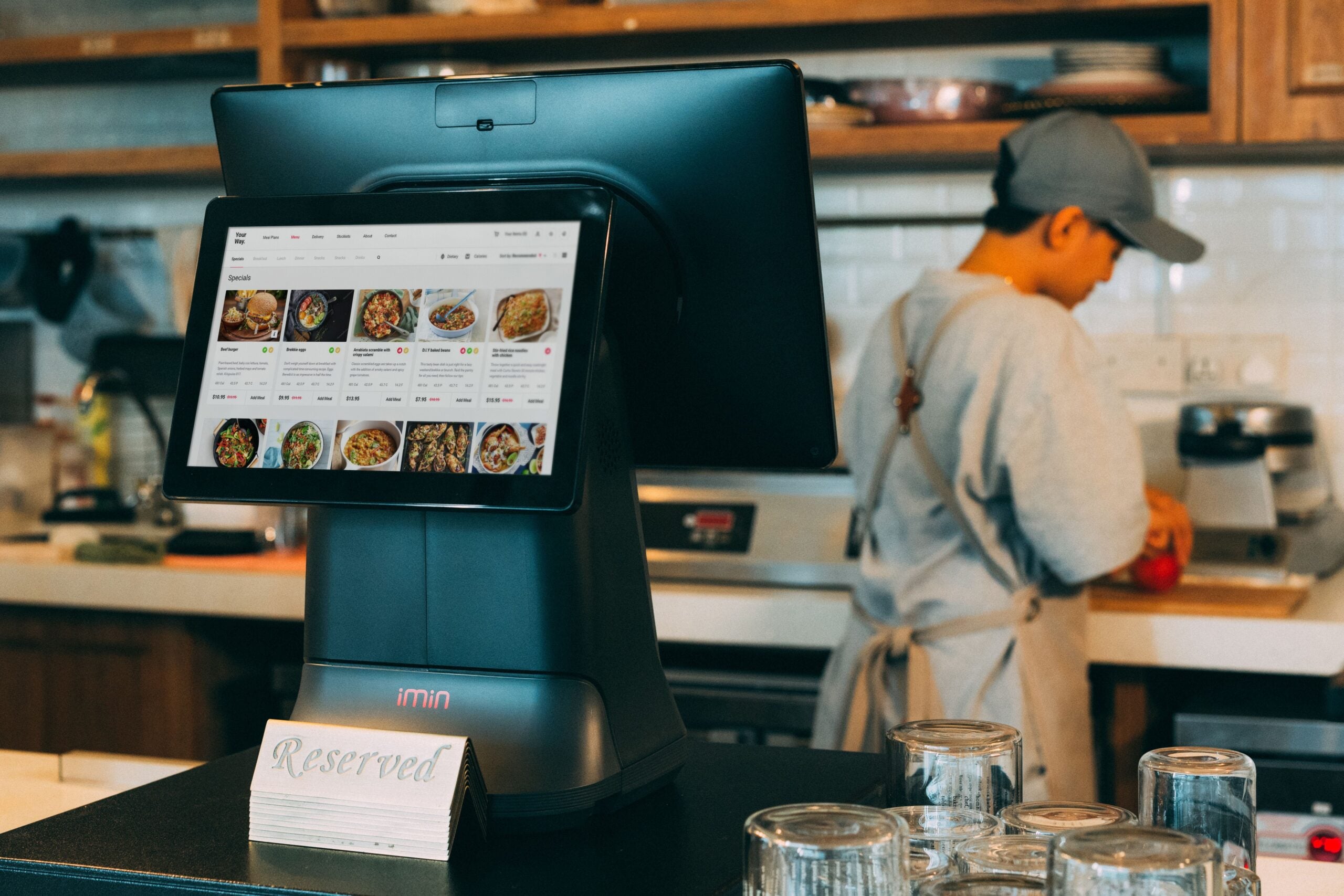
Running a small business often feels like a constant race against the clock. You wear multiple hats, manage inventory, and constantly look for ways to expand your revenue. In our digital landscape, relying on outdated equipment slows down your operations and frustrates your customers. Upgrading your daily tools serves as a proven strategy for overcoming these hurdles. Implementing modern touchscreen technology throughout your storefront or office changes the entire dynamic of how you operate. It bridges the gap between your physical space and digital efficiency. Whether you run a local coffee shop, a boutique retail store, or a neighborhood service center, interactive displays offer tangible benefits that directly impact your bottom line. Let’s explore exactly how integrating these intuitive systems into your daily workflow drives meaningful growth for your company.
Speeding Up the Checkout Process
The checkout counter is the final touchpoint a customer has with your brand. If your point-of-sale system relies on a clunky keyboard and a slow processor, lines inevitably back up. Long wait times drive people away, and they might reconsider visiting your store in the future. Touch displays streamline this entire interaction. Because the interfaces function just like the smartphones we use every day, your cashiers tap, swipe, and navigate through menus with incredible speed. Tapping a visual icon happens instantly compared to typing out product names. Processing transactions faster means you serve more people during your peak hours. When customers realize they won’t be stuck waiting in a long line, they become far more likely to return, directly boosting your repeat sales.
Enabling Self-Service Solutions
Labor costs often represent one of the largest expenses for any small enterprise. While you want to provide excellent customer service, hiring a large staff just to take basic orders or answer simple questions eats into your profit margins. Interactive kiosks offer a highly effective solution. By placing self-service screens in your lobby or dining area, you empower your customers to take control of their own experience. Diners can scroll through a digital menu, customize their meals, and pay for their food without ever needing a cashier. Retail shoppers can check the inventory of a specific shirt size without tracking down a busy employee. Shifting these simple tasks to a screen frees up your staff to focus on higher-level service and building relationships that foster loyalty.
Simplifying Employee Training
High employee turnover is a frustrating reality for many small businesses. When someone leaves, you invest valuable hours training a replacement. Traditional register systems often feature complicated, non-intuitive software that takes weeks to master. Modern interactive displays dramatically reduce this learning curve. Today’s workforce grew up using tablets and smartphones, meaning they already understand the mechanics of navigating a touch interface. When your operational software utilizes visual cues and simple screen gestures, new hires pick it up almost immediately. This rapid onboarding process means your new employees start working the floor and generating revenue much sooner. You spend less time explaining refunds and more time teaching them how to upsell products and engage with your clientele.
Gathering Actionable Customer Data
Understanding your customer base is vital for sustainable growth. If you don’t know who is buying your products, you can’t effectively market to them. Touch displays create natural opportunities to gather this essential data right at the point of sale. Instead of asking cashiers to awkwardly request an email address, the screen prompts the customer directly. After they swipe their credit card, the display invites them to join your loyalty program by simply typing in their phone number. You can also set up quick, one-tap feedback surveys so guests can rate their experience before they leave the store. Collecting this information allows you to build targeted marketing campaigns. You can send personalized discounts to your most loyal shoppers or re-engage people who haven’t visited recently, turning casual buyers into dedicated brand advocates.
Creating a Premium Brand Experience
Perception plays a huge role in consumer behavior. When someone walks into your establishment, they immediately judge the quality of your brand based on their surroundings. A dusty, outdated cash register sends a subtle message that your business is stuck in the past. On the other hand, sleek, high-definition screens project an image of modern professionalism. Even if you operate a tiny bakery or a local hardware store, installing premium hardware makes your business feel established and successful. Customers inherently trust businesses that invest in modern infrastructure. They associate the smooth, high-tech checkout experience with high-quality products and services. Elevating your brand perception allows you to confidently stand out from your local competitors and attract a demographic willing to pay a premium for a better overall experience.
Growing a small company requires you to optimize every single aspect of your daily operations. You must find ways to operate smarter and more efficiently. While upgrading your hardware requires an initial investment, the long-term payoff is undeniable. By speeding up transactions, empowering self-service, reducing training time, and capturing valuable marketing data, interactive screens provide a measurable return on investment. You aren’t just buying a new piece of equipment; you’re building a foundation for future scalability. Embracing these intuitive tools positions your business for sustainable expansion, ensuring you stay competitive and relevant in an increasingly digital world.