

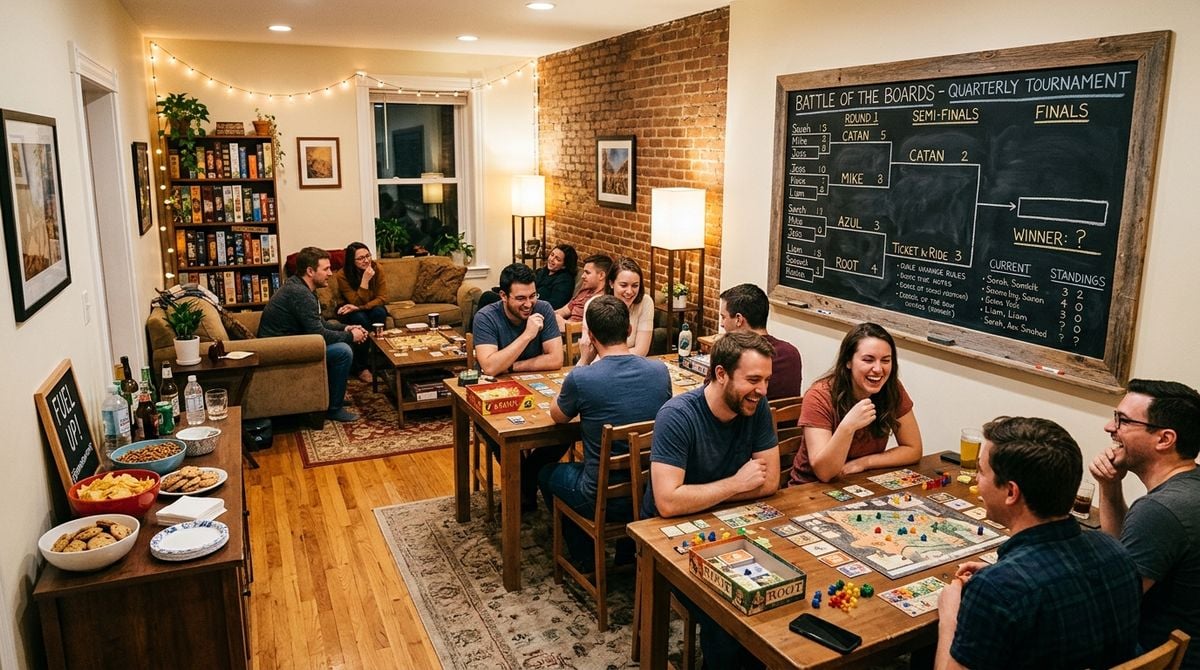
Across dining room tables, neighborhood coffee shops, and community library halls, the sound of rolling dice and shuffling cards has made a remarkable comeback. While digital screens dominate much of the modern workday, people of all ages are deliberately setting aside their phones to gather for face-to-face tabletop gaming sessions. Modern board games have evolved far beyond the repetitive roll-and-move classics stored in dusty attic closets. Thoughtful game designers now craft rich, interactive experiences that blend strategic puzzle-solving, imaginative storytelling, and lively social interaction into a single evening.
This renewed enthusiasm for physical games reflects a broad desire for genuine human connection and shared tactile experiences. Sitting across a table from friends or family members invites spontaneous laughter, friendly negotiation, and shared suspense as a close match unfolds on the board. Whether players have twenty minutes for a quick card drafting round after dinner or an entire Saturday afternoon for an epic resource-management campaign, tabletop gaming adapts effortlessly to any household schedule. Exploring how contemporary board games work reveals why this hobby continues to draw newcomers into welcoming social circles.
The Shift Toward Cooperative Play Mechanics
One of the most refreshing developments in modern tabletop design is the rise of cooperative games where everyone around the table wins or loses as a unified team. Readers may also want to visit rough-draft.net. Instead of knocking opponents out of the match early and leaving them to watch from the sidelines, cooperative designs pit the entire group against an automated challenge built into the game board itself. Players must pool their unique character abilities, trade resources, and debate the smartest tactical move before the deck triggers the next obstacle.
This team-oriented structure lowers the barrier to entry for hesitant beginners who might feel intimidated by highly competitive strategy veterans. Experienced players can naturally guide newcomers through the turn sequence while still facing a tense, rewarding puzzle that demands everyone’s input. Even when the board overcomes the group on the final turn, the shared struggle sparks immediate conversation about how to adjust tactics for a rematch. Cooperative mechanics transform the gaming table into an inclusive space where communication and teamwork take center stage.
Hosting Memorable Game Nights at Home
Organizing a successful tabletop gathering at home requires far more attention to atmosphere and pacing than to elaborate culinary spreads. You can also visit PlantWare for more reading. Setting up the board, punching out cardboard tokens, and playing through two practice turns ahead of time eliminates the awkward pause of reading dense instruction manuals aloud at the table. A clear, five-minute rules summary that focuses on the main goal and the flow of a single turn gets everyone playing quickly.
Comfort and table ergonomics also play a quiet but vital role in keeping energy levels high throughout the evening. Providing plenty of table surface for player boards, good overhead lighting for reading small card text, and finger foods that stay free of grease protects the game components while keeping guests comfortable. Starting the night with a fast, lighthearted warm-up game helps late arrivals settle in before transitioning to the featured strategy title of the evening. Ending the session while everyone is still energized ensures guests look forward to the next invitation.
Neighborhood Cafes and Local Club Gatherings
Beyond private living rooms, public gathering spaces have embraced tabletop gaming as a cornerstone of neighborhood social life. For a related read on this site, see How Property Websites Can Rank for High-Value Upgrade. Game cafes maintain curated shelves stocked with hundreds of titles sorted by complexity, player count, and play duration, allowing patrons to sample different genres over a cup of tea or coffee. Knowledgeable staff members often circulate among the tables to recommend suitable titles and teach the opening rounds to curious diners.
Public libraries and community centers offer similarly welcoming environments where hobbyists gather without any admission barriers. Weekly club meetups frequently use simple table signs indicating when a group has open seats and is ready to teach new players. Participating in these local events helps residents meet neighbors from diverse backgrounds who share an appreciation for clever strategy and friendly conversation. What begins as a casual drop-in session over a cardboard map often grows into lasting neighborhood friendships.
- Clear table markers showing open seats and approximate play duration for drop-in guests
- Warm-up party games that accommodate flexible player counts and quick rule explanations
- Protective card sleeves and organizer trays that speed up table setup and cleanup
- Balanced rotation between cooperative puzzles, light drafting games, and deeper strategy titles
Selecting Titles for Mixed Experience Levels
Building a versatile home game shelf means choosing titles that bridge the gap between casual family members and dedicated strategy enthusiasts. Gateway games serve this exact purpose by combining simple, intuitive turn actions with meaningful choices that reward clever planning. In a well-designed gateway title, a player might perform only one action on their turn, such as claiming a route, drafting a colorful tile, or trading goods at a market. That streamlined structure keeps downtime between turns minimal so nobody loses focus while waiting for their next move.
Visual presentation and theme also influence how eagerly a mixed group embraces a new box on the table. Games themed around building botanical parks, running bustling spice markets, or charting ocean voyages immediately engage players who might shy away from abstract math puzzles or grim battle scenarios. Tactile wooden pieces, vibrant artwork, and clear iconography on the board help players grasp the rules visually without memorizing complex reference charts. Choosing approachable themes with clean mechanics guarantees that every seat at the table remains engaged from start to finish.
Lasting Connections Built Around the Table
The enduring appeal of tabletop gaming lies not in the cardboard tiles or wooden tokens, but in the shared stories created by the people gathered around them. Every dramatic dice roll, clever trade, and narrow cooperative victory becomes a fond memory that friends recount long after the box returns to the shelf. In an era filled with solitary entertainment options, board games offer a timeless invitation to sit down, look neighbors in the eye, and enjoy an evening of genuine camaraderie. Clearing off the dining table for a game night remains one of the simplest ways to strengthen community bonds.