

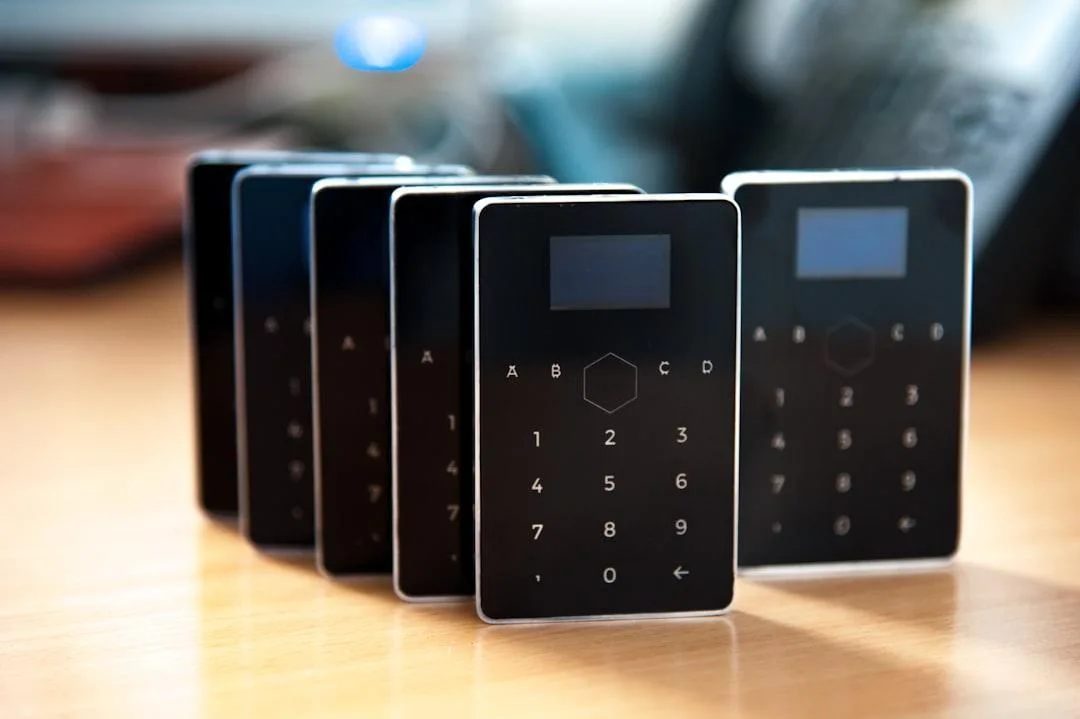
Entry hardware historically served one purpose, which was keeping unauthorized people out. A growing share of installations now serves a second purpose, which is producing an auditable record of who entered a space and when (Security Industry Association).
Why Records Became a Design Requirement
Attendance and occupancy records now feed labor systems, capacity compliance, and membership billing. Once entry data serves those functions, the accuracy of the count matters as much as the security of the barrier.
Where Manual Counting Fails
Manual attendance tracking produces systematic undercounting and offers no timestamp precision. It also consumes staff attention at exactly the moments when entry volume is highest and staff are least available.
How Waist High Barriers Fit This Use Case
Waist high turnstiles enforce single passage and generate a reliable count without the cost or visual weight of full height units. They suit environments where the goal is accurate counting and moderate control rather than defeat resistance.
Why Integration With Back End Systems Matters More Than the Barrier
The barrier is the simplest part of the deployment, and turnstile installations serving attendance functions are built around integration with time and attendance software, membership databases, and access control platforms so entry events populate the systems that actually use the data (SES Integrators).
Why Footprint Constraints Favor Waist High Units
Waist high turnstiles fit spaces that cannot accommodate full height equipment or portal enclosures. In retrofit projects, available floor area frequently decides the format before any security requirement enters the conversation.
How Visual Impact Factors Into Selection
Recreation and hospitality environments resist hardware that reads as institutional. Lower profile barriers meet the counting requirement while preserving the atmosphere those facilities depend on to attract members and guests.
Which Environments Use Counted Entry Most Heavily
Four settings account for most counted-entry deployments, and each ties entry records to an operational or financial process rather than to security alone.
- Recreation and fitness centers verifying membership status
- University dining halls tracking meal plan usage
- Manufacturing floors feeding time and attendance systems
- Venues managing occupancy against capacity limits
How Occupancy Limits Raise the Stakes on Accuracy
Occupancy limits established by building and fire codes are enforceable requirements rather than guidelines (International Code Council). Facilities relying on entry counts to demonstrate compliance need counts accurate enough to withstand scrutiny.
Why Bidirectional Counting Is Necessary
Occupancy is a function of entries minus exits, so counting only entries produces a number that climbs all day and reflects nothing. Accurate occupancy management requires counting in both directions.
What Credential Technology Contributes
Credential read time directly affects throughput, and the gap between technologies is significant at volume (National Institute of Standards and Technology). A read that takes an extra second per person becomes a visible queue when several hundred people arrive within the same interval.
How Mobile Credentials Changed the Calculation
Mobile credentials removed the physical card issuance cycle and the replacement cost that came with it. They also introduced a dependency on device battery and connectivity, which most facilities address by retaining card fallback.
How Anti-Passback Rules Protect Count Integrity
Anti-passback rules prevent a single credential from entering twice without an intervening exit. Without that constraint, one badge can admit several people in sequence, which corrupts both the security record and the attendance count.
Why Enforcement Level Requires a Decision
Hard anti-passback denies the second entry outright, while soft anti-passback permits it and flags the event. Facilities choose between operational friction and record accuracy, and the right answer depends on what the data is used for.
What Reporting Requirements Add
Entry data serving billing or compliance functions must be retained and auditable, not merely captured (International Code Council). Retention policy therefore belongs in the system design rather than in a later administrative decision.
How Periodic Count Audits Protect Accuracy
Facilities relying on entry counts for billing or capacity compliance should audit the system against a manual count periodically. Small systematic errors compound into meaningful discrepancies across a year.
Why Passage Timing Affects Count Accuracy
Counting accuracy degrades when users pass in close succession and sensors merge two passages into one. Tuning the passage detection interval against observed user behavior recovers accuracy the default setting can miss.
How Turnstile Height Affects Perceived Security
Waist high units enforce counting and single passage without preventing a determined person from climbing over. Facilities should be clear that the format manages honest traffic rather than resisting deliberate defeat.
Why That Distinction Should Be Explicit
Buying a counting barrier while expecting intrusion resistance produces disappointment that better specification would have prevented. The format is correct for its purpose and wrong for another.
How Emergency Egress Applies to Counted Entrances
Waist high units in an egress path must permit free exit under life safety requirements. Free-wheeling exit or mechanical release satisfies the provision without compromising entry counting.
What Reporting Access Different Departments Need
Facilities, human resources, and security each need different views of the same entry data. Systems offering role-based reporting prevent the manual export cycles that otherwise consume administrative time.
Why Self-Service Reporting Reduces Bottlenecks
Departments waiting on a single administrator for routine reports simply stop requesting them. Direct access keeps the data in use rather than dormant.
How Guest and Trial Access Should Be Handled
Recreation and membership facilities admit trial users and guests who have no permanent credential. A defined temporary access path keeps those visits inside the counting system rather than around it.
Why Undocumented Guest Entry Distorts Counts
Guests admitted through a staffed side door never appear in utilization data. Facilities relying on those counts for capacity decisions work from systematically low numbers.
How Occupancy Data Supports Space Planning
Entry counts collected over months reveal actual utilization patterns that assumptions about space usage frequently get wrong. Organizations reviewing real estate decisions increasingly draw on this data directly.
Why Sustained Collection Beats Spot Studies
A one-week manual count captures a single period that may not represent typical use. Continuous automated collection surfaces seasonal and weekly patterns that short studies miss entirely.
What Peak Versus Average Utilization Reveals
A facility averaging half capacity may still hit full capacity during specific intervals. Planning against the average produces spaces that fail exactly when demand concentrates.
How Both Figures Should Inform Decisions
Average utilization guides long term capacity decisions while peak utilization guides scheduling and access control. Using one figure for both questions produces the wrong answer to at least one of them.
Why Membership Verification Requires Current Data
A turnstile validating membership status is only as accurate as its last database synchronization. Stale data admits expired members and rejects current ones, and both failures reach the front desk.
How Synchronization Frequency Should Be Set
Facilities where membership changes daily need more frequent synchronization than those with monthly cycles. The interval should follow the rate of change rather than a default setting.
How Exception Handling Affects Staffing
Every counted-entry deployment produces exceptions including forgotten credentials and status disputes. Designing a staffed path for those cases prevents them from blocking the automated lanes behind them.
The Selection Principle
Hardware selection follows from what the entry data must accomplish. When entry records feed payroll, billing, or capacity compliance, the integration path deserves more scrutiny than the barrier specification.