

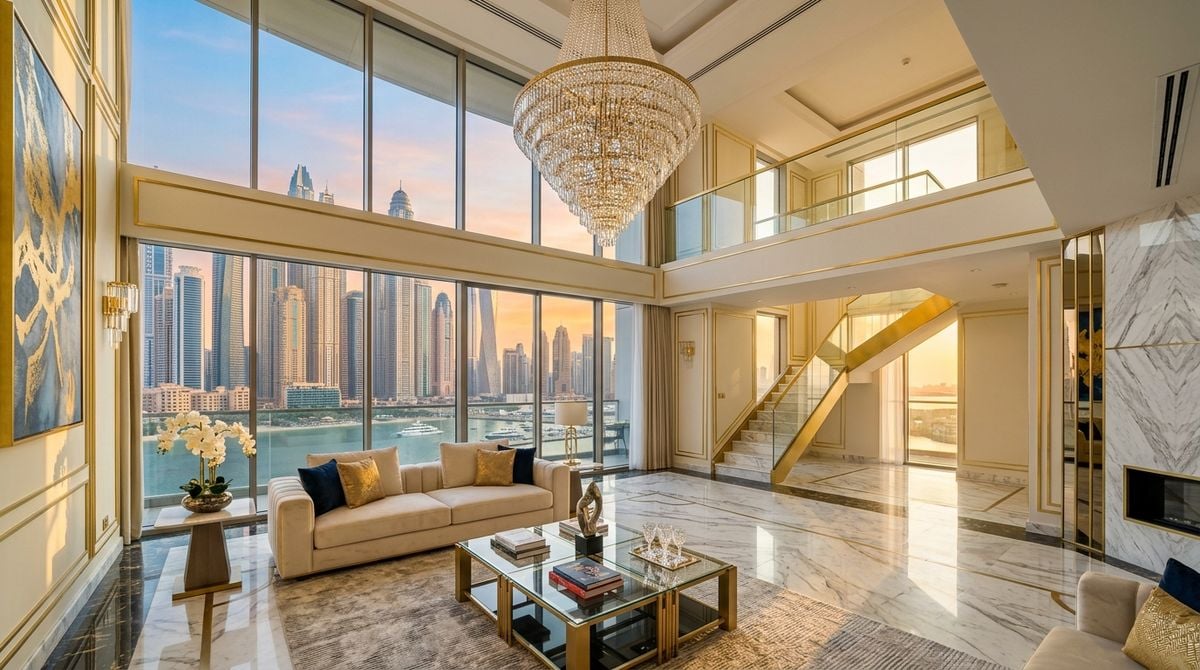
In home and lifestyle publishing, search behavior rarely fits into neat, isolated boxes. Homeowners looking to improve their living spaces regularly move between practical necessity and stylistic aspiration. A reader seeking to solve an awkward floor plan is often the same person dreaming about rich accent walls, curated lighting, and modern fixtures. When digital marketers treat these search intents as completely separate domains, they miss an opportunity to build a more resilient content ecosystem.
Small business marketers and niche publishers often struggle with this divide. One team member might focus exclusively on utilitarian home improvement advice, while another writes purely about visual styling trends. This fragmented approach forces search engines to evaluate the website in disjointed pieces rather than as an authoritative resource. Unifying these angles allows a publication to guide readers seamlessly from problem-solving utility to aesthetic satisfaction.
Understanding the Split Between Utility and Aesthetics
To capture search traffic across diverse user journeys, digital marketers must first understand the differences between utility-focused and aesthetics-focused queries. Utility queries are rooted in direct problem solving, comfort, and physical function. These searchers want to resolve daily frustrations, such as poor ventilation, limited storage, or high maintenance demands. Their primary goal is livability, and their language reflects functional concerns like durability, convenience, and layout.
Aesthetic queries originate from visual inspiration and personal taste. These users search for specific color palettes, decorative motifs, bespoke furnishings, and distinctive finishes. They want to transform an ordinary room into a visually compelling environment. While these searchers may eventually encounter practical constraints, their initial inquiry is guided by presentation, mood, and style.
Bridging this gap requires recognizing how real homeowners plan residential projects. A homeowner rarely undertakes a functional renovation without considering how the finished space will look. Similarly, an ambitious decorating project quickly falls flat if the room remains drafty, dark, or impractical for daily routines. Publications that address both dimensions can satisfy complex search intent far more effectively than single-focus competitors.
Developing topical authority in the utility space means providing clear, actionable guidance on everyday comfort. For example, niche resources like thehomezoo.net demonstrate how dedicated advice on home improvement and everyday livability addresses direct utility needs for property owners. By explaining foundational fixes that make rooms easier to inhabit, marketers can capture searchers at the moment their practical needs arise.
Bridging Practical Improvements with Visual Design
Once you attract a searcher who needs a practical solution, the next step is introducing decorative inspiration that complements that functional fix. An article explaining how to maximize natural light in an undersized bedroom can transition smoothly into discussions about sheer window treatments, reflective surfaces, and complementary paint tones. This progression feels natural because aesthetic enhancement is the logical culmination of a successful home upgrade.
Conversely, articles that start with visual styling can ground their recommendations in everyday functionality. When showcasing an elegant minimalist living room, an author can discuss cable management, durable upholstery fabrics, and modular storage that preserves clean sightlines. Grounding decorative concepts in everyday practicality prevents reader frustration and builds trust, reinforcing your brand as a source of dependable guidance.
Studying brands that emphasize visual distinction can help marketers understand how to present design concepts compellingly. Examining creative portfolios and specialized decor sites such as deltadesignltd.co.uk highlights how bold styling, statement features, and cohesive interior motifs satisfy aesthetic aspiration. When content creators combine that visual ambition with solid functional principles, their content becomes both inspirational and practical for prospective clients.
Building an Integrated Editorial Workflow
Creating content that serves both functional and aesthetic intent requires a deliberate editorial workflow. Rather than assigning topics randomly, marketing teams should map content around specific living spaces and identify the complementary pairs of needs within each area. Every room contains practical challenges alongside decorative possibilities.
Editorial teams must organize these related angles so search engines comprehend the topical depth across rooms and stages. Reviewing our resource on structuring multi-room design guides for search intent provides a solid framework for arranging connected topics without confusing your site hierarchy. Constructing clear relationships between comprehensive design overviews and specialized problem-solving articles helps search crawlers index your topical coverage.
To maintain consistency across your publishing schedule, implement a standardized review checklist for every new article draft:
- Identify the primary search intent as either functional utility or aesthetic styling before outlining.
- Integrate secondary advice that addresses the opposite intent without derailing the main topic.
- Cross-link naturally to companion guides covering complementary renovation or styling tasks.
- Include specific room contexts rather than generic home advice to match precise search queries.
- Audit heading tags to ensure clear separation between practical steps and design suggestions.
Refining On-Page Structure for Search Visibility
Structuring dual-intent articles properly is essential for helping search engines deliver the right section to the right user. Clear subheadings allow readers to scan directly to the information they care about most. If a searcher lands on your page seeking a solution for poor kitchen storage, they should easily locate organizational tips without wading through paragraphs about backsplash tile patterns.
Use descriptive headings that incorporate functional and decorative terminology where appropriate. Instead of vague labels, use specific phrases that signal what the section covers. This practice helps search engines extract relevant passages for featured snippets and voice searches, expanding your organic footprint across multiple variations of a single topic.
Image optimization also plays a critical role in supporting dual-intent content. Visual readers rely on images to evaluate whether a design concept matches their taste, while practical searchers study photos to understand installation techniques. Pair clear photographs with descriptive text that explains both the functional element and the decorative treatment displayed in the frame.
Maintaining Balance Across Your Publishing Calendar
Sustaining this dual-intent strategy requires regular content auditing. Over time, an editorial team might lean too heavily toward visual trends because decorative pieces are enjoyable to produce, or they might overproduce technical repair manuals that lack visual appeal. Conducting regular topic reviews ensures your editorial calendar maintains a balanced distribution between functional utility and decorative inspiration.
When reviewing existing articles, look for opportunities to refresh older posts with complementary perspectives. An older guide explaining how to insulate a home workspace can be updated with ideas for integrating acoustic wall panels that also serve as modern decorative art. These strategic additions extend the lifespan of your content library while strengthening relevance for emerging search queries.
By treating livability and aesthetic appeal as complementary elements of the same project, digital marketers can build authoritative websites that serve real homeowner needs. Connecting practical problem solving with creative decoration builds lasting organic search visibility and establishes meaningful engagement with your audience.