

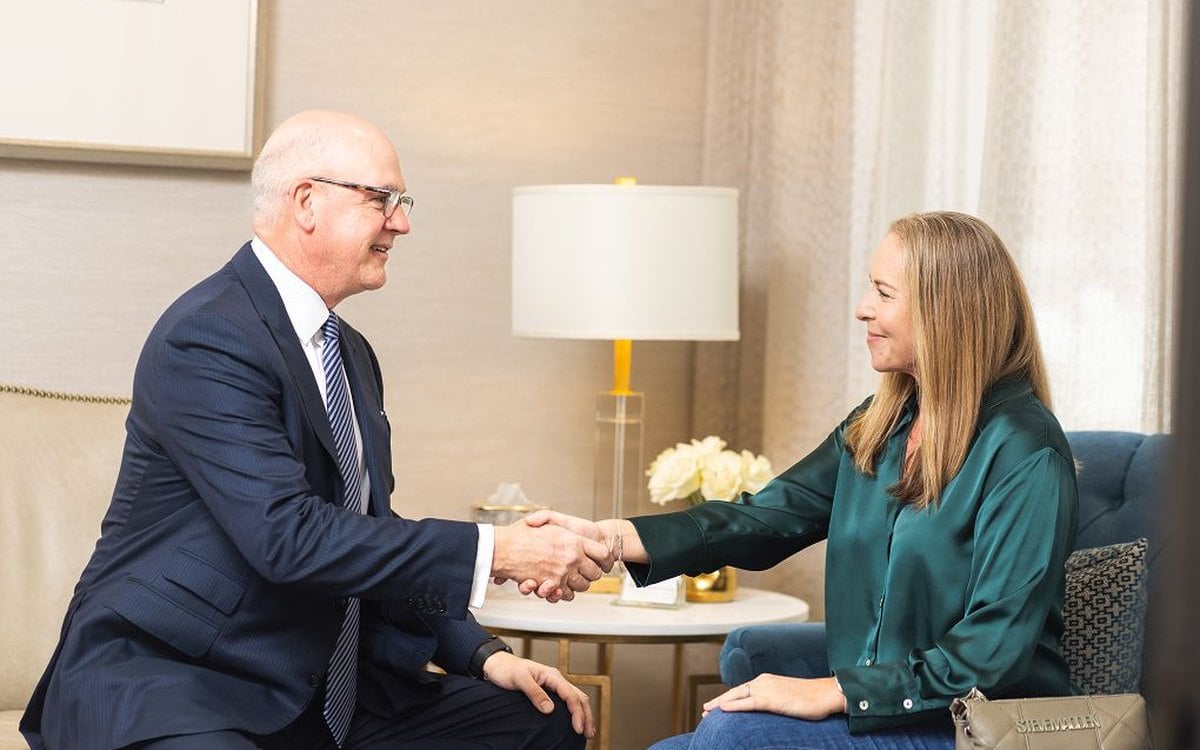
The Plastic Surgery Institute of Southeast Texas opened in 2003 with a narrow purpose. Its operating room exists for plastic surgery performed by one surgeon, and the building, from the equipment to the staff schedule, is arranged around that work.
The facility, known as PSI, belongs to the practice of Dr. Leo Lapuerta, a triple board-certified plastic surgeon with more than 30 years of experience in the Houston area. Dr. Lapuerta owns and operates the facility, which holds accreditation from AAAASF, the organization patients often hear called QuadA. For anyone weighing surgery in an office-based operating room, that accreditation is the first thing to understand.
The standard behind the label
Cosmetic surgery takes place in hospitals, in outpatient surgery centers and in operating rooms inside a surgeon’s own office. The office setting raises a fair question from patients: who checks that it meets hospital-level safety standards?
Accreditation answers it. According to the practice, AAAASF accreditation means the personnel, equipment and drugs in the facility meet strict standards for patient safety, both during routine cases and in an emergency, as in a hospital. Accreditation involves outside inspectors checking the facility against those standards, so the claim rests on more than the surgeon’s word.
The practice advises patients to confirm that any office-based facility they consider carries accreditation from either AAAASF or AAAHC. It describes these as the only two office-based accreditations recognized by the American Board of Plastic Surgery.
A room built around one specialty
The practice points to several ways an accredited office facility differs from a general hospital or outpatient center. The first is focus. PSI performs only cosmetic and plastic surgery procedures, so the environment, the staff and the equipment are specific to that work. The team members spend their days on one thing, plastic surgery with Dr. Lapuerta, and they already know each patient and the surgical plan before surgery day.
Privacy is the second. The practice describes a process with no crowded waiting area. Patients go straight to a private room before surgery, and family or friends wait in a private waiting room. Recovery takes place in a private area with a dedicated nurse and team member. At discharge, the patient leaves through a private exit to a covered pickup area.
The practice also makes a safety argument about infection. In the practice’s words, hospitals see large volumes of patients and, with them, large volumes of germs. Office facilities see fewer patients, most of them healthy, and the practice argues that this can reduce the risk of infection compared with other settings.
Anesthesia and scheduling
An office facility can also give patients more say over anesthesia. The practice argues that hospitals and outpatient centers give patients few choices about the method of anesthesia. At PSI, depending on medical history and the planned procedure, options range from sedation to TIVA, an intravenous form of anesthesia, to traditional general anesthesia. The plan can address concerns such as pain, nausea and vomiting, or a wish to avoid feeling sedated for days afterward.
Dr. Lapuerta works only with physician anesthesiologists, never nurse anesthetists or anesthesia assistants. That policy applies to the anesthesia delivered in his facility.
Scheduling is the last advantage the practice lists. A surgeon who runs the facility has more flexibility over surgery days and times, and patients return to the same building and the same team for each step.
One setting among several
An office facility does not suit all patients or all cases, and any surgery carries risk wherever it happens. Dr. Lapuerta also holds hospital privileges in the Houston area, including the Memorial Hermann network, HCA hospitals including The Woman’s Hospital of Texas, and St. Luke’s Houston Medical Center. He is Chairman of Plastic Surgery at St. Joseph Hospital.
Patients comparing surgeons can ask two direct questions about any office operating room: which organization accredits it, and when was the accreditation last renewed? A surgeon with an accredited facility can name the accrediting body on the spot, and the patient can confirm it with that organization before booking a date.
This article is for general information only and is not medical advice. Results vary from patient to patient. Consult a board-certified plastic surgeon or your physician about your own situation. Written in partnership with Joseph Lambert, a publicist working with Leo Lapuerta, MD Plastic Surgery.