

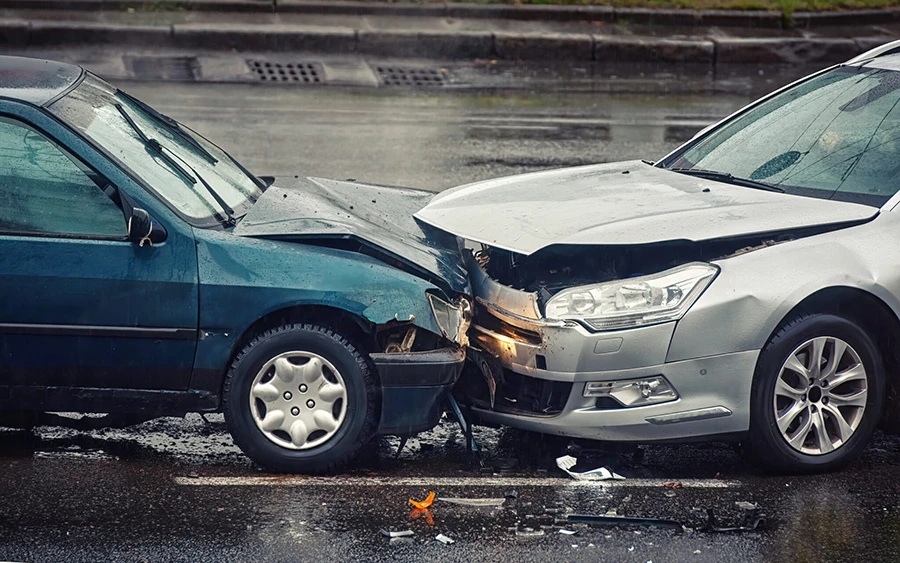
After a car accident, one of the first steps many drivers take is filing an insurance claim. Once the claim is processed and repairs are considered, some drivers start thinking about replacing their vehicle. At that point, a common question comes up: can you trade in a car if it has an insurance claim on record?
The short answer is yes. In Virginia, it is usually possible to trade in a vehicle that has an insurance claim associated with it. However, the claim history may affect the value of the vehicle and the offer a dealership is willing to make.
Understanding how insurance claims impact trade-in value can help drivers make more informed decisions about what to do after an accident.
How Insurance Claims Appear on Vehicle Records
When a driver files an insurance claim for vehicle damage, that claim may eventually appear on a vehicle history report. These reports are commonly used by dealerships and buyers to review a vehicle’s past events.
Vehicle history reports can show several types of incidents, including accidents, major repairs, title changes, and insurance-related events. If an accident was reported through an insurance company, it may become part of the vehicle’s documented history.
Dealerships frequently review these reports when evaluating trade-in vehicles. The information helps them determine potential resale value and identify any risks associated with the vehicle.
Does an Insurance Claim Prevent a Trade-In?
Having an insurance claim on record does not automatically prevent you from trading in your vehicle. Many vehicles that appear on dealership lots have had insurance claims at some point in their history.
Dealerships are primarily concerned with the current condition of the vehicle and how easily it can be resold. If the damage has been repaired properly and the car is still in good condition, the dealership may still offer a reasonable trade-in value.
Even vehicles that still have some damage may be accepted as trade-ins. In these situations, the dealership will factor repair costs into the offer they make.
How Insurance Claims Can Affect Trade-In Value
While a vehicle with an insurance claim can still be traded in, the claim may affect the vehicle’s value. This is largely due to something known as diminished value.
Diminished value refers to the reduction in a vehicle’s market value after it has been involved in an accident. Even if the damage has been repaired correctly, many buyers prefer vehicles that have never been involved in collisions.
Because of this buyer preference, dealerships may lower their trade-in offer to account for the vehicle’s accident history.
The Role of Repair Quality
The quality of repairs can play a major role in determining the value of a vehicle after an insurance claim.
If the vehicle was repaired by a reputable repair shop and the work restored the vehicle to good condition, the impact on trade-in value may be smaller. Proper repairs can help reduce buyer concerns about hidden damage or mechanical problems.
On the other hand, poor repairs or visible issues such as mismatched paint, alignment problems, or lingering mechanical issues may further reduce the vehicle’s value.
When Drivers Choose to Trade In After a Claim
Some drivers decide to trade in their vehicle shortly after filing an insurance claim. This may happen for several reasons.
In some cases, drivers prefer not to deal with the uncertainty of future mechanical problems after a collision. Others may simply decide that it is a good time to upgrade to a newer or more reliable vehicle.
Trading in the vehicle can simplify the process of moving on from the accident and obtaining another car.
Should You Repair the Car Before Trading It In?
Another common question is whether drivers should repair their vehicle before attempting to trade it in.
Minor cosmetic repairs can sometimes improve the trade-in value slightly. However, major repairs may not always increase the value enough to justify the cost.
Dealerships often have access to repair facilities that allow them to fix vehicles at lower costs than individual car owners. Because of this advantage, some drivers choose to trade in their car without completing expensive repairs.
Before deciding, it may be helpful to request a trade-in estimate from a dealership based on the vehicle’s current condition.
Tips for Maximizing Trade-In Value
Although an insurance claim may affect the value of a vehicle, there are still ways to improve your chances of receiving a fair trade-in offer.
Cleaning the vehicle inside and out can create a better first impression during the dealership inspection. Providing maintenance records and documentation of repairs can also demonstrate that the vehicle has been properly cared for.
It may also be helpful to visit more than one dealership to compare trade-in offers. Different dealerships may evaluate vehicles differently depending on their inventory needs and resale strategies.
Final Thoughts
Having an insurance claim on your vehicle does not mean you are unable to trade it in. Many dealerships regularly accept vehicles with accident histories or previous claims.
However, the claim may reduce the vehicle’s trade-in value because of diminished value and potential buyer concerns. The extent of this reduction often depends on factors such as the severity of the damage, the quality of repairs, and the overall condition of the vehicle.
By understanding how insurance claims affect trade-in value, Virginia drivers can approach the process with realistic expectations and make informed decisions about their next vehicle.