

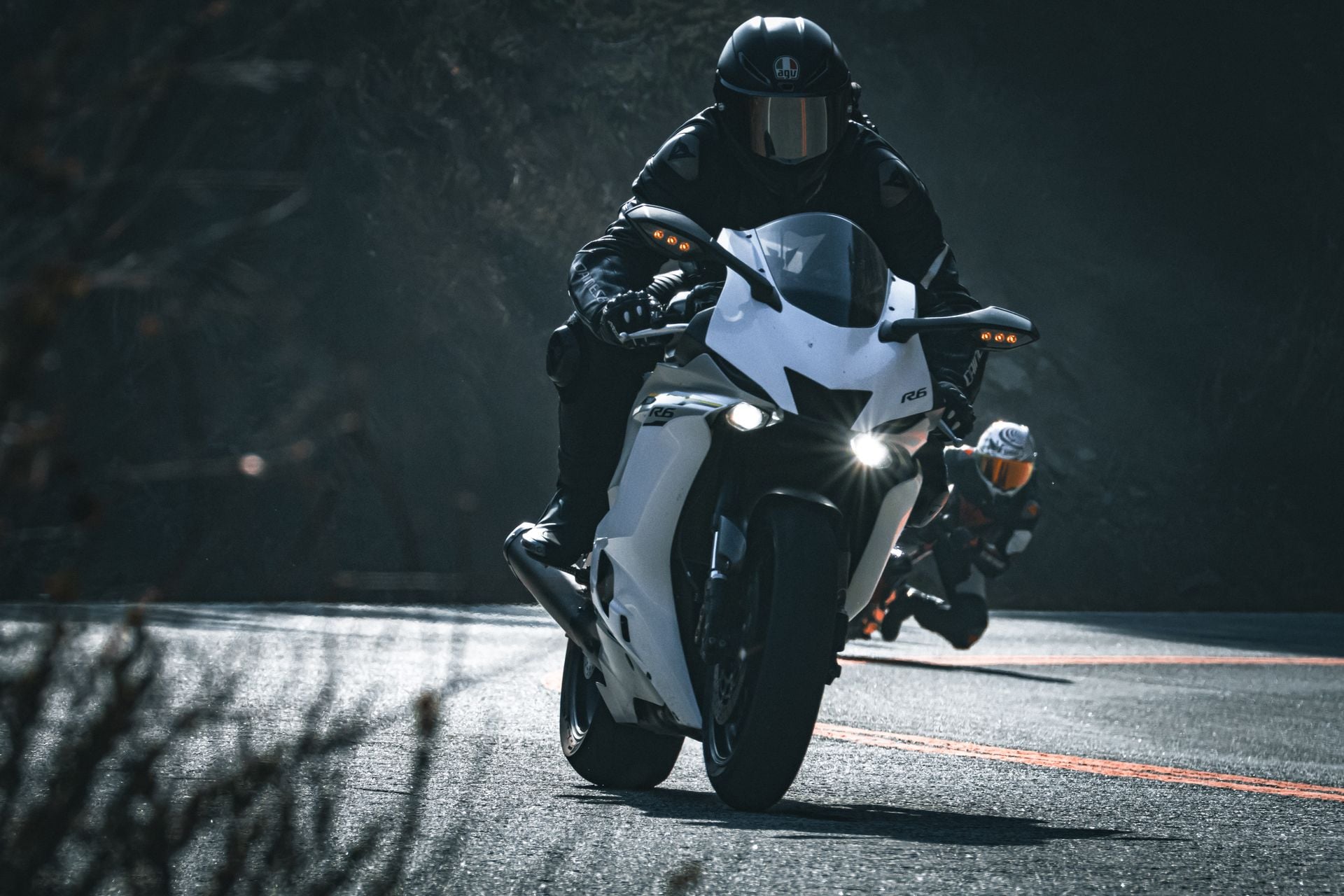
The rider goes down in a left-hand sweeper, slides across the shoulder, and the helmet keeps recording after the bike stops moving. Inside the shell, an accelerometer array has already logged the g-forces of the impact, the angle of the fall, and the exact second it happened. On the handlebars, the intercom is still connected to a riding partner two miles ahead. On the phone in the tank bag, a companion app has time-stamped the whole event and is dialing an emergency contact.
None of that used to exist at the scene of a motorcycle crash. Now it does, and it belongs to the rider before it belongs to anyone else. Getting a motorcycle injury attorney involved early is what keeps that record from disappearing before anyone thinks to ask for it.
Here’s how the different pieces of that data behave, case by case.
The Helmet That Recorded Its Own Impact
Purpose-built crash-detection helmets are the clearest example. A small sensor pod sits inside the EPS lining and samples motion continuously. When something crosses the threshold that looks like a crash, the helmet flags the event, syncs to a paired phone, and pings the contacts on file with a location and an impact reading.
The resolution is high enough to matter in a dispute. That’s a very different record than a witness statement written down an hour later at the roadside. If the case turns on whether the rider was upright at contact, or which direction the force came from, that log now sits on the rider’s side of the file.
The Intercom Log That Heard the Crash Happen
Bluetooth intercoms were built for group rides and turn-by-turn directions, not for evidence. They’ve become both anyway. A modern helmet-to-helmet system pairs to a phone, to other riders in a mesh, and to a companion app that logs firmware version, connection state, and often call history. If a rider was mid-conversation when the crash happened, that thread has timestamps on both ends.
The value shows up in a few different ways after a wreck:
-
A witness on the other headset. The riding partner two miles ahead heard the impact live, heard whatever the rider said in the seconds before, and can testify to both.
-
A time anchor. The intercom’s own logs, and the paired phone’s call history, can pin the crash to a specific second that lines up with traffic-signal timing, nearby camera footage, and any vehicle’s onboard data.
-
A behavioral record. What the rider was doing on comms (navigating, taking a call, talking to a passenger) cuts both ways. It can rebut a distraction argument or, honestly, support one. Either way, it’s discoverable.
The Car That Hit the Rider Also Kept a Log
The helmet is only half the story. The other vehicle likely kept its own record. Event data recorders are required equipment in most passenger cars, and the seconds of data around a crash typically include speed, throttle, brake application, and steering input. That’s the counterweight to the helmet log: two independent recordings of the same event, from opposite sides of the collision.
When the two records agree, the case gets shorter. When they disagree, the fight becomes about which sensor to believe and why. Reconstruction experts increasingly work both files side by side rather than starting from skid marks and debris fields alone.
Preserve the Data Before It Overwrites Itself
Sensor data is fragile. Helmet logs sit in app storage that syncs and prunes. Intercom firmware updates can wipe pairing history. Vehicle EDRs get overwritten by the next ignition cycle in some models, or lost entirely when the car is totaled and crushed.
A few concrete steps in the first days keep the record intact:
-
Stop using the helmet and the paired phone for anything else. Don’t factory reset either device. Don’t accept firmware updates until the data has been exported.
-
Screenshot the app. Capture the crash event, the timestamp, the emergency-contact ping, and the intercom’s connection history. Save the raw export too if the app offers one.
-
Ask for a preservation letter. A lawyer can send written notice to the other driver’s insurer and to any fleet operator involved, putting them on the hook to preserve EDR data and vehicle telematics before it gets overwritten.
-
Photograph the helmet before repair or disposal. The shell itself is physical evidence. Crush patterns, scuffs, and sensor placement all matter to a reconstruction.
The Rider Is No Longer the Only Witness
Motorcycle crashes used to be among the hardest cases to prove. The rider was often the only person who saw what happened from the two-wheel side, and skeptical adjusters knew it.
Now, the helmet remembers. The intercom remembers. The phone remembers, and so does the other vehicle. Whoever gets to that data first, and preserves it cleanly, controls the story that gets told about the crash.