

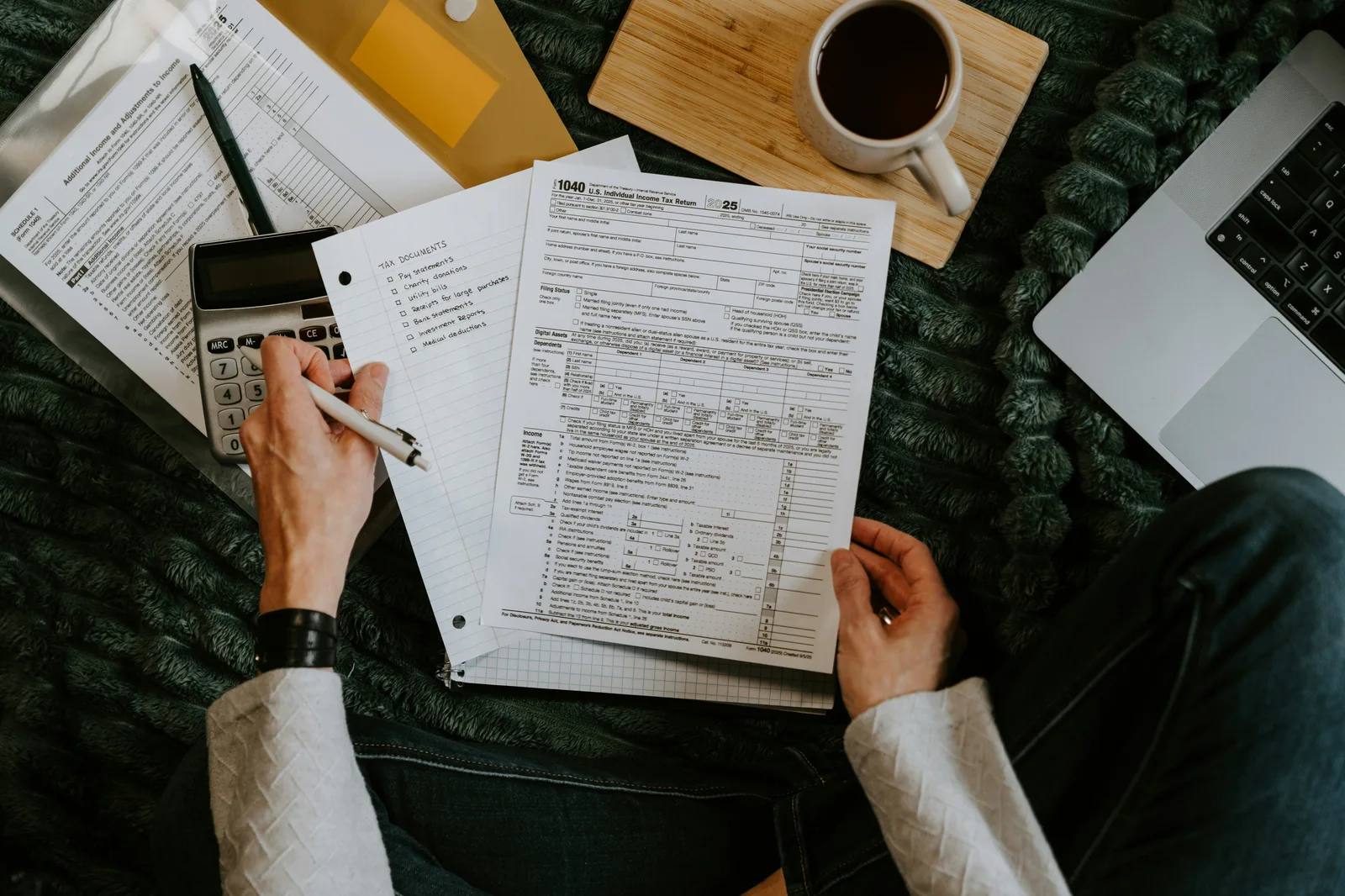
For cafés, restaurants and hospitality businesses, a planned equipment investment can pair operational improvements with a potential tax advantage.
An espresso machine is one of the few pieces of equipment that customers experience directly, every day. Its performance shapes the morning rush, the final impression after dinner and the quality of a hotel breakfast. Yet businesses often postpone replacing it until breakdowns leave them little choice.
That approach can turn a manageable investment into an urgent expense. With year-end planning underway, Section 179 gives owners another reason to evaluate whether their current coffee equipment still meets their needs.
For Espresso Mio, which supplies commercial coffee equipment and provides installation, maintenance and repair services in the New York tri-state area, the opportunity begins with a practical question: What would a better coffee program actually accomplish for the business?
Understanding the 2026 opportunity
Section 179 lets eligible businesses elect an immediate deduction for qualifying equipment instead of recovering its cost through depreciation over several years. For tax years beginning in 2026, the maximum deduction is $2,560,000. That ceiling decreases dollar for dollar when total Section 179 property placed in service exceeds $4,090,000. [1]
Commercial espresso machines and grinders may qualify as business machinery and equipment, subject to the buyer’s circumstances. Eligibility generally requires purchase for active business use, more than 50% business use and placement in service during the tax year. The deduction also faces a business taxable-income limit; amounts disallowed by that limit may carry forward. [2]
A deduction reduces taxable income. It does not reimburse the equipment price. As a simplified illustration, a fully usable $25,000 deduction at an assumed 24% marginal federal income-tax rate would reduce federal income tax by $6,000. Actual results depend on the taxpayer’s circumstances.
The equipment should earn its place
Tax treatment belongs in the purchasing conversation, but the operating case should come first. An owner should be able to explain why the equipment is needed even before considering the deduction.
For a café, that may mean handling a growing morning queue. For a restaurant, it may mean delivering consistent espresso without pulling employees away from other responsibilities. For a hotel, it may mean providing reliable coffee service across breakfast, meetings and guest amenities.
A useful evaluation starts with drink volume, peak demand, available space, staff experience and the menu. It should also account for cleaning time, water treatment, maintenance and the service response available when something goes wrong.
The cheapest machine on an invoice may become an expensive choice if it struggles at peak periods or requires support the business cannot readily obtain. Conversely, buying more capacity than the operation needs can tie up capital without producing a meaningful benefit.
Where super-automatic equipment fits
Super-automatic espresso machines deserve consideration when repeatable preparation and a simpler staff workflow are priorities. Espresso Mio’s equipment offering includes Thermoplan machines, giving operators a way to explore automation alongside their broader coffee-service needs.
The right questions go beyond whether a machine can make a cappuccino. How does it perform during the busiest hour? How easy is its daily cleaning routine? What training will employees need? Who handles installation, preventive maintenance and repairs?
Automation still requires oversight. Coffee selection, recipe settings, milk handling and cleaning practices remain central to the result in the cup. Equipment selection should therefore be paired with a realistic plan for operating and maintaining it.
Espresso Mio’s combination of equipment, coffee supply and service gives buyers a place to discuss those connected decisions. An equipment quote becomes more useful when it reflects the site’s actual demand and installation requirements.
The deadline is about readiness
For calendar-year taxpayers seeking a 2026 deduction, qualifying equipment must be ready and available for its intended use by December 31, 2026. An order or deposit alone is insufficient. A machine delivered in December but not installed and operational until January generally belongs to the later tax year. [2]
That makes early coordination valuable. Electrical work, plumbing, water filtration and delivery schedules can affect when a commercial espresso system becomes usable. Businesses should establish a feasible installation timeline rather than assume a late-December purchase will satisfy the deadline.
Owners can start with an equipment assessment and quote from Espresso Mio, then have their CPA evaluate eligibility, the available deduction and state tax treatment. The accountant should also compare Section 179 with other depreciation options before the purchase is finalized.
A well-chosen espresso system should contribute to the business long after the tax return is filed. Section 179 can strengthen the financial case for a needed upgrade; the lasting value comes from equipment that fits the operation and has dependable support behind it.
Learn more about commercial espresso equipment, installation and service at EspressoMio.co.
This article provides general information, not individualized tax advice. Confirm the treatment of a specific purchase with a qualified tax professional.
[1] IRS, Revenue Procedure 2025-32, section 4.24: irs.gov/pub/irs-drop/rp-25-32.pdf
[2] IRS, Publication 946, chapters 1 and 2: irs.gov/publications/p946