

When you look at a bustling factory floor or the sleek exterior of a modern vehicle, it’s easy to overlook the tiny components holding everything together. We notice the roaring engines, the bright digital displays, and the strong structural frames, but we rarely think about the small barriers keeping the elements out and the vital fluids in. Whether it’s a tight closure on a commercial freezer or a weather-resistant strip on a piece of agricultural machinery, these parts do a job we simply can’t ignore. High-quality plastic seals are the unsung heroes of the industrial world. They prevent leaks, block out moisture, and keep dust away from sensitive machinery.
But creating these essential components isn’t just about melting down some polymers and pouring them into a mold. It requires an incredible amount of behind-the-scenes engineering. From selecting the perfect chemical composition to designing the exact geometry needed for a watertight fit, technical experts dictate every single step of the manufacturing process. Let’s explore how engineering shapes the creation of the seals we rely on every single day.
Material Science as the Foundation
The journey of a great seal starts long before it ever reaches a production line. It begins in a laboratory, where materials engineers carefully evaluate different polymer blends. You can’t just use a one-size-fits-all plastic for every industrial application. A seal used on an outdoor electrical enclosure has to survive years of harsh ultraviolet sunlight without cracking or drying out. On the other hand, a seal placed inside a high-temperature automotive engine needs exceptional thermal stability and resistance to corrosive oils.
Engineers spend hours analyzing the molecular structure of materials like PVC, silicone, or EPDM blends to find the right fit for a client’s specific needs. They have to account for how a material will respond to harsh cleaning chemicals in a food processing plant versus how it’ll behave when exposed to salt water on a marine vessel. They constantly tweak the recipes, adding specific plasticizers for flexibility or UV inhibitors to prevent sun damage. This initial phase of chemical engineering ensures the final product won’t degrade, warp, or fail when exposed to the realities of its working environment.
Digital Modeling and Simulation
Once the material’s locked in, mechanical engineers take over to design the physical shape of the profile. That’s where precision matters most. A gap of just a fraction of a millimeter can lead to a catastrophic leak. To prevent this, design teams use advanced computer-aided design software to build detailed 3D models of the proposed product.
But they don’t just draw a picture and send it to the factory. Engineers use finite element analysis to digitally simulate how the seal will behave under stress. They apply virtual pressure, extreme temperatures, and mechanical compression to the 3D model to see exactly how the material will react. Finite element analysis allows them to see color-coded maps of stress distribution, highlighting exactly where a seal might buckle under pressure. Will it snap back into its original shape after being compressed? Will it warp if it gets too hot? By running these digital stress tests, engineers can identify weak points and adjust the geometry of the design before a single physical prototype’s ever made. This saves time, reduces waste, and guarantees a much better final product.
Mastering the Manufacturing Floor
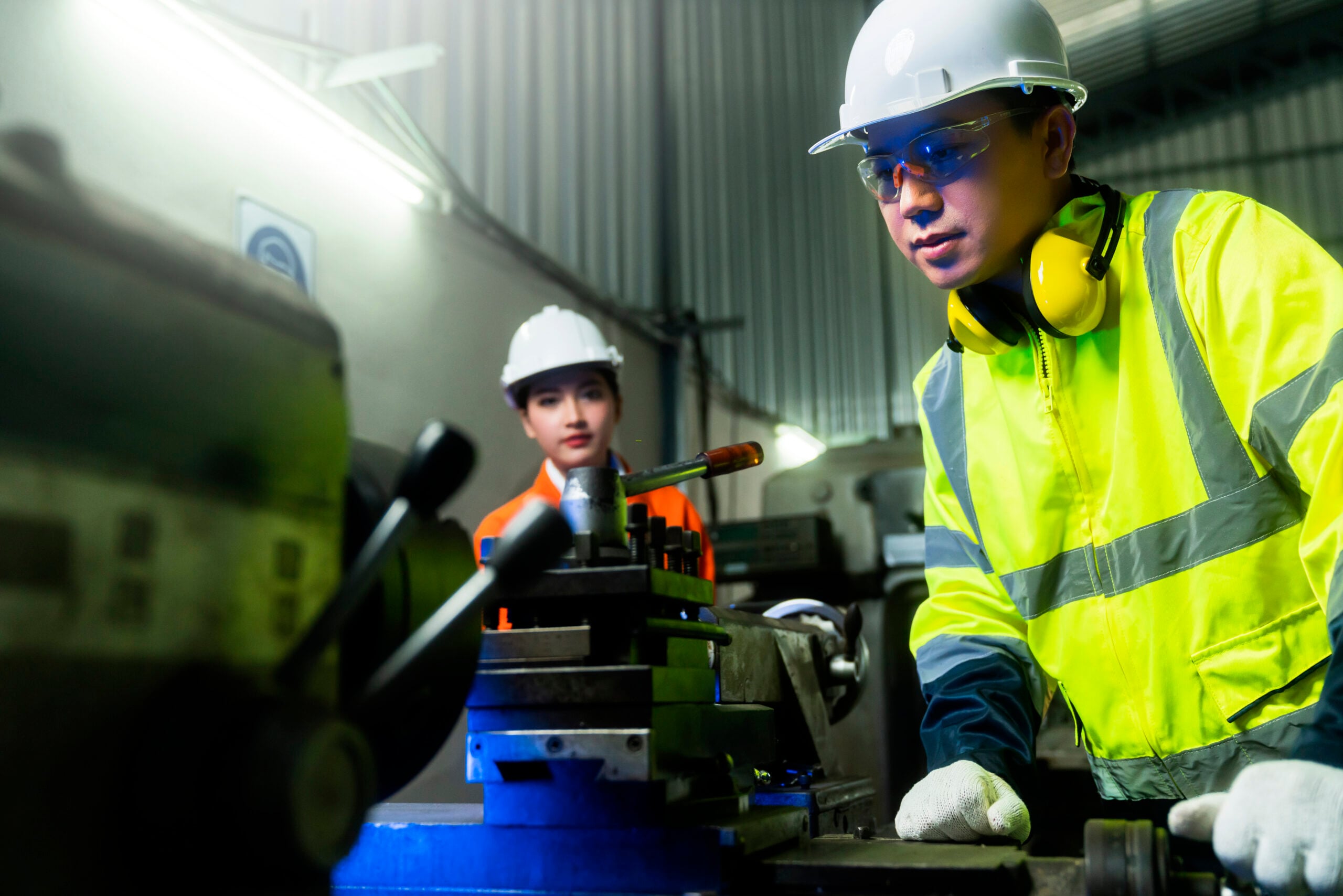
After the digital design’s perfected, the engineering focus shifts to the actual manufacturing floor. Most industrial seals are created using an extrusion process. This involves pushing raw, heated plastic through a custom-made metal die to create a continuous, perfectly shaped profile.
Creating that metal die requires precise machining, often guided by computer numerical control equipment programmed by manufacturing engineers. The metal dies are often crafted using wire electrical discharge machining, an incredibly precise method that cuts metal with a microscopic wire and electrical sparks. This level of dedication to the tooling ensures that the plastic profile matches the digital model perfectly.
Engineers must perfectly calibrate the extrusion machinery. They set the exact temperature required to melt the plastic without burning it and determine the precise speed at which the material should move through the cooling water baths. If the plastic cools too quickly, it becomes brittle; if it cools too slowly, it loses its shape. It’s a delicate balancing act that requires constant monitoring and technical adjustments to keep the production line running smoothly.
Rigorous Quality Control Protocols
The engineering work doesn’t stop once the plastic cools and gets cut to length. The final phase of the process involves strict quality control testing, and engineers are the ones who design these rigorous protocols. They don’t just eyeball a finished batch and hope for the best; they put the physical products through a series of demanding physical tests.
Quality assurance teams take random samples from the production line and place them in environmental chambers that simulate extreme weather conditions. They stretch the profiles to their breaking point to measure tensile strength and compress them for days at a time to check their recovery rates. Engineers also use specialized tools to measure the durometer, or hardness, of the material. If a seal’s too soft, it might blow out under pressure; if it’s too hard, it won’t compress enough to create a reliable barrier.
If a batch doesn’t meet the precise metrics established during the initial design phase, it gets scrapped. This uncompromising commitment to quality ensures that when a manufacturer installs a seal on their equipment, it’ll perform flawlessly for years.
The Unseen Technical Effort
The next time you close a commercial equipment door or inspect a weatherproof enclosure, take a moment to look at the rubbery plastic lining the edges. It might look like a simple piece of flexible material, but it represents hours of intense problem-solving, digital modeling, and precise manufacturing. Engineering is the invisible force that transforms raw chemical compounds into the durable, reliable components that keep our modern industries running safely. Without this dedicated technical oversight, the machinery and infrastructure we rely on would quickly succumb to the elements.