

For years, the longevity movement has been defined by optimization. Cold plunges, intermittent fasting, wearable trackers, and testosterone therapy have become staples among high-performing men seeking to extend both lifespan and performance.
But a shift is happening.
For many, optimizing how the body functions is no longer enough. The next frontier is how it looks.
Welcome to the era where longevity meets aesthetic optimization.
From Biohacking to Full-Spectrum Optimization
The modern longevity movement is built on control. Control over energy levels, hormone balance, sleep quality, and physical performance.
Men are tracking biomarkers, dialing in nutrition, and investing heavily in fitness routines designed to maximize output and extend healthspan. Testosterone replacement therapy has become increasingly common, helping men maintain strength, drive, and recovery as they age.
Yet even as internal metrics improve, many are noticing a gap.
They feel younger, stronger, and more energized, but their external appearance does not always reflect that reality.
This disconnect is driving a new wave of interest in aesthetic treatments.
The Missing Piece: Looking as Good as You Feel
It is not uncommon for a man in his 40s or 50s to have the energy levels of someone a decade younger, thanks to disciplined lifestyle choices and medical support.
However, visible signs of aging such as skin laxity, hair loss, and changes in facial structure can still persist.
This creates a mismatch.
In professional and social settings, appearance often shapes perception. Looking tired or aged can undermine the vitality a person actually feels.
As a result, more men are seeking ways to align their внешний appearance with their internal performance.
Hair, Hormones, and the Rise of Aesthetic Awareness
Hair restoration has become one of the most common entry points into aesthetic optimization.
Hair loss is often one of the earliest visible signs of aging, and for many men, restoring it can dramatically improve confidence and overall appearance. Advances in transplantation techniques have made results more natural and accessible than ever before.
At the same time, testosterone therapy is reshaping how men approach aging. Maintaining optimal hormone levels supports muscle mass, energy, and recovery, but it does not directly address aesthetic concerns like loose skin or facial aging.
This is where cosmetic procedures enter the conversation.
At practices such as https://MalePlasticSurgeryChicago.com, patients are increasingly combining traditional longevity strategies with targeted aesthetic treatments to achieve a more complete transformation.
Fitness Alone Has Limits
Fitness remains a cornerstone of longevity, but it has limitations.
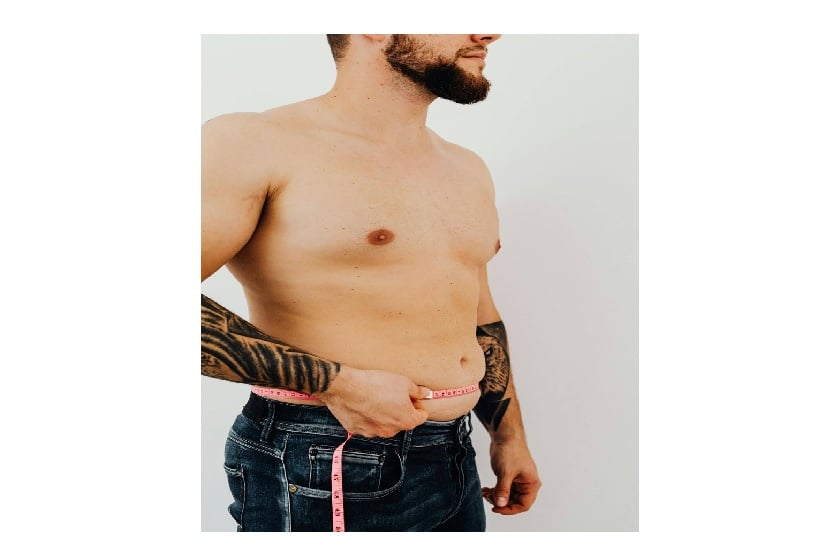
Even with consistent training, certain areas of the body may not respond as desired. Stubborn fat deposits, loose skin, and structural imbalances can persist despite disciplined effort.
Similarly, facial aging cannot be reversed through exercise alone.
This has led many men to explore procedures that complement their fitness routines, such as:
- Body contouring to refine shape and proportion
- Skin tightening to address laxity
- Facial procedures to restore structure and definition
- Hair restoration to maintain a youthful appearance
The goal is not to replace healthy habits, but to enhance the results they produce.
A Surgeon’s Perspective: Integration, Not Extremes
From a medical perspective, the most effective approach is integration.
Dr. Steinbrech and other leaders in male plastic surgery emphasize that aesthetic treatments should be part of a broader strategy, not a standalone solution.
At https://MalePlasticSurgeryLA.com, consultations often focus on how procedures can complement existing lifestyle practices. This includes understanding a patient’s fitness routine, hormone profile, and long-term goals.
The emphasis is on subtle, natural-looking improvements that align with the patient’s overall identity.
Rather than chasing trends, the focus is on consistency.
The New Standard for High Performers
Among executives, entrepreneurs, and high achievers, the definition of optimization is expanding.
It is no longer enough to perform at a high level behind the scenes. There is increasing value placed on presenting that performance outwardly.
Looking energized, sharp, and composed has become part of the overall equation.
This does not mean striving for perfection. It means removing visible signs that do not match the effort being invested internally.
In this context, aesthetic optimization becomes a logical extension of the longevity mindset.
Beyond Longevity
The longevity movement has always been about more than just living longer. It is about living better.
As that philosophy evolves, appearance is becoming part of the conversation.
Men are beginning to recognize that optimizing the body includes both function and form. When the two are aligned, the result is not just improved health, but a stronger sense of confidence and presence.
The future of self-optimization is not divided between internal and external. It is integrated, intentional, and designed to reflect the full potential of the individual.