

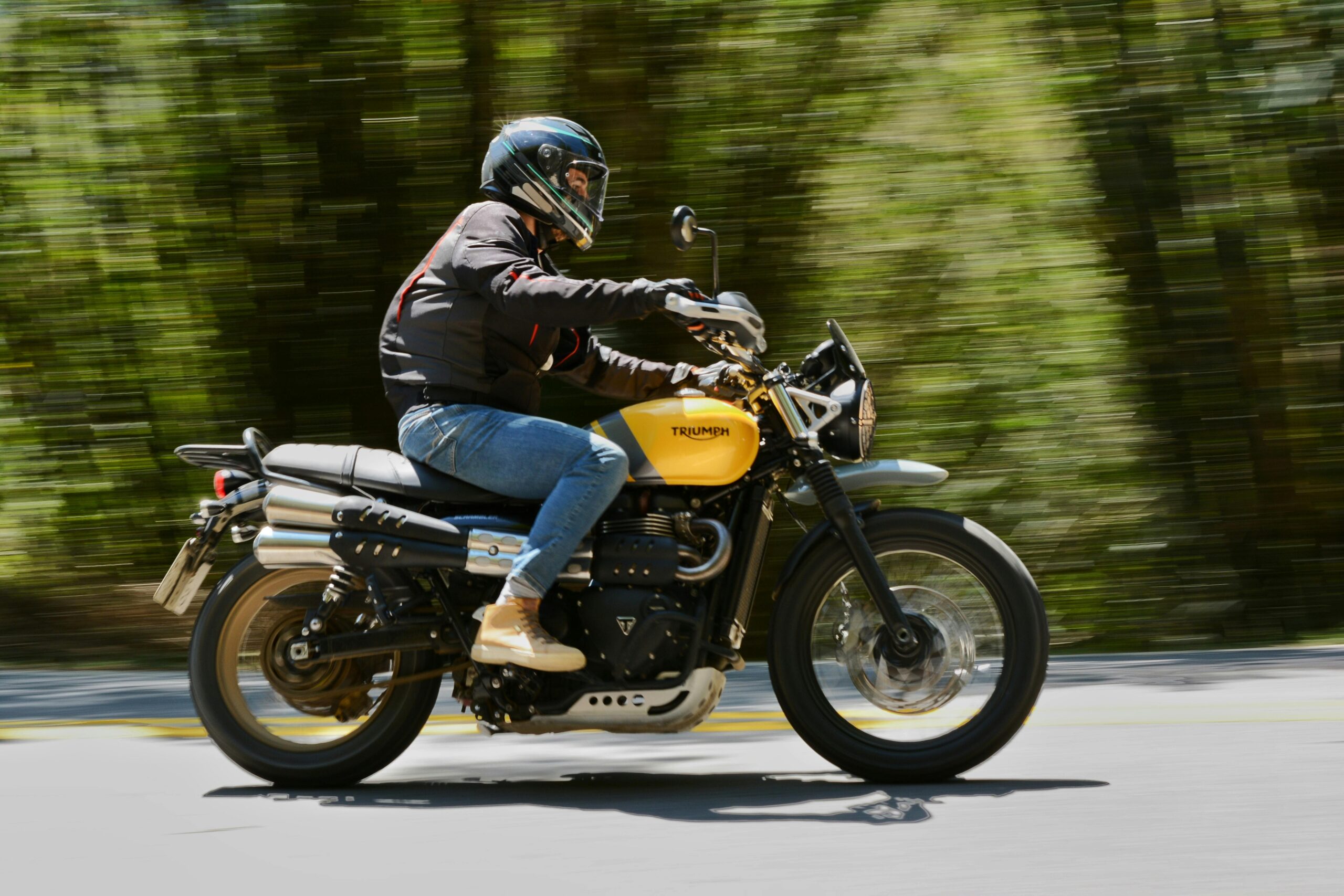
Riding a motorcycle always comes with some inherent risks. However, the greener you are, the more likely it is that you’re exposed to certain factors more experienced riders would be prepared for. Time on your bike is the only way to fully prepare yourself, but there are several proactive tips and steps you can take to stay safe as you acquire more ride time.
- Assume You’re Invisible to Every Driver
The most dangerous assumption new motorcyclists make is that drivers see them. Even when you’re directly in someone’s field of view, they often don’t register your presence. Drivers look for car-sized objects and their brains filter out motorcycles. You need to ride as if every vehicle might pull out, change lanes, or turn without seeing you.
This defensive mindset changes how you position yourself on the road. Avoid riding in blind spots where drivers definitely can’t see you. And when passing vehicles, move through their blind spots quickly rather than lingering alongside them. When you’re at intersections, watch the wheels of waiting cars – they’ll move before the vehicle does, giving you a split-second warning if someone’s about to pull out.
Another good tip is to use your headlight constantly, even during daytime. While some jurisdictions require this by law, it’s smart practice everywhere because it makes you more visible.
- Watch for Left-Turning Vehicles at Intersections
Left turn accidents are one of the major risks for motorcyclists. Drivers making left turns across often don’t see motorcycles or they misjudge their speed. According to HGSK Injury Lawyers, “Motorcycles move differently than cars and are much smaller. A driver that is not closely paying attention can cut the path of a motorcyclist, causing an impact or can lead the motorcyclist to lose control of their bike while approaching the intersection.”
When approaching any intersection where opposing traffic could turn left across your path, your “Spidey senses” should tingle a bit. Slow down even when you have the right of way. You should also cover your brakes so you’re ready to stop if a driver turns in front of you.
Don’t trust that drivers will wait for you just because you’re close. They often see motorcycles but misjudge how fast you’re approaching, thinking they have time to turn when they don’t. If a driver is edging into the intersection or looking in the direction they want to turn rather than at oncoming traffic, they’re probably about to go. Assume they will turn regardless of whether you have the right of way.
- Master Slow-Speed Maneuvers First
New riders often want to jump straight to highway cruising, but slow-speed control is actually more challenging and more immediately useful. Parking lots, stop-and-go traffic, and tight turns all require balance and control that highway riding doesn’t.
Practice slow-speed figure-eights, U-turns in confined spaces, and controlled stops from various speeds. These exercises build the throttle control, brake modulation, and balance needed for safe riding.
Once slow-speed control feels natural, gradually progress to busier streets and faster riding. If you build experience in layers, rather than jumping into challenging riding situations before you’ve mastered the basics, you’ll be a much safer rider.
- Invest in Proper Gear
Gear is expensive, and the temptation is to skip it or buy cheap alternatives. But your gear is the only thing between you and serious injury when you go down. Proper equipment isn’t something that’s optional.
Start with a quality DOT-approved helmet – full-face provides the best protection despite being more expensive than half helmets. Add a motorcycle-specific jacket with armor at shoulders, elbows, and back. And then grab some gloves to protect your hands, as you’ll instinctively use them to break falls. Finally, boots that cover your ankles can prevent fractures if you fall.
As a rule of thumb, wear gear on every ride regardless of how far you’re going or what the weather is like. Most accidents happen close to home on short trips. Hot weather makes gear uncomfortable, but road rash is way worse than being hot for a few minutes.
- Ride Within Your Limits
New riders usually overestimate their abilities or feel pressure to keep up with more experienced friends. However, this over-confidence can lead to crashes when you aren’t prepared to ride at this level.
Remember that every rider started as a beginner. Experienced riders who pressure you to ride beyond your comfort level aren’t good riding companions. Find groups that support your skill level and grow from there.
In order to improve over time, you can always take additional training beyond basic licensing courses. Advanced rider courses will teach things like emergency braking, swerving, and other skills.
The Power of Patience and Practice
Becoming a skilled motorcyclist takes lots of time, practice, and humility. Respect the machine and the risks in riding. Every experienced rider has stories of close calls and lessons learned. The goal is learning from others’ experiences and your own mistakes without paying the ultimate price. These fundamentals will keep you safe while you develop the expertise that you need.