

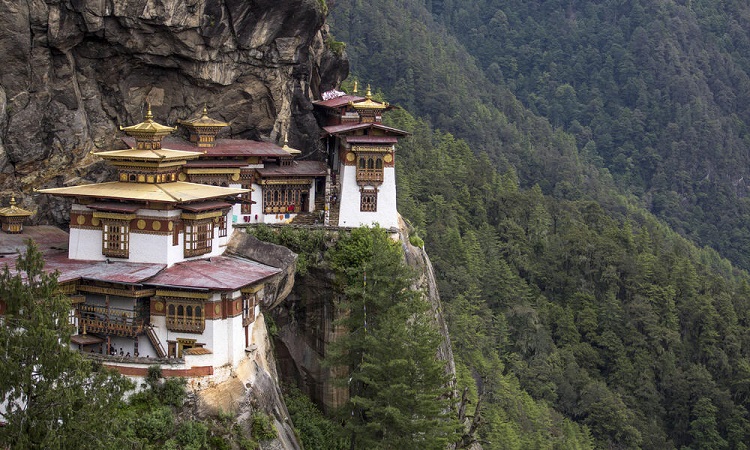
Bhutan, often known as the “Land of the Thunder Dragon,” is a small yet fascinating country nestled in the Himalayas. While its scenic beauty and cultural richness are well-known, what truly sets Bhutan apart on the world stage is its pioneering philosophy of Gross National Happiness (GNH). And at the heart of this innovative concept stands Jigme Singye Wangchuck, the visionary GNH founder who introduced the world to a new way of measuring a country’s progress.
In this guest post, we’ll explore the GNH founder‘s groundbreaking vision, the core principles of Gross National Happiness, and how Bhutan’s unique approach has captured the world’s attention as a model for development that transcends traditional economic metrics.
The Birth of Gross National Happiness
In 1972, King Jigme Singye Wangchuck, then just 17 years old, was crowned as the King of Bhutan. While many would have focused on the traditional markers of economic development, such as GDP, the young King had a different vision for the future of his nation. During an interview, he famously remarked that “Gross National Happiness is more important than Gross National Product.” This simple yet profound statement laid the foundation for what would become one of the most celebrated and unique development models in the world.
The idea behind Gross National Happiness (GNH) was clear: Bhutan’s success should not be measured solely by its economic wealth or the material progress of its citizens. Instead, the focus should be on ensuring the overall well-being, happiness, and spiritual health of its people. This revolutionary concept places happiness and quality of life at the heart of national development, an approach that challenges the traditional dominance of economic indicators in assessing a country’s progress.
The Four Pillars of GNH
The GNH founder recognized that true happiness cannot be measured by wealth alone. As a result, he laid out a comprehensive framework based on four main pillars that would guide Bhutan’s national policies:
- Sustainable and equitable socio-economic development
- Conservation of the environment
- Preservation and promotion of culture
- Good governance
Each pillar reflects an essential aspect of Bhutan’s commitment to ensuring that the country’s growth and development are balanced and holistic. The emphasis on environmental conservation and cultural preservation, for example, shows Bhutan’s unique approach to modernization. The focus is not just on boosting the economy but also on safeguarding the traditions, natural beauty, and values that make Bhutan special.
The Nine Domains of GNH
To further operationalize the idea of Gross National Happiness, the GNH founder helped introduce a set of nine domains. These domains cover various aspects of life that contribute to an individual’s overall well-being:
- Psychological well-being
- Health
- Education
- Time use
- Cultural diversity and resilience
- Good governance
- Community vitality
- Ecological diversity and resilience
- Living standards
Each of these domains is carefully tracked and measured, providing the government with data on the holistic well-being of its citizens. Rather than focusing solely on income levels, these domains help Bhutan assess whether the country is meeting the needs of its people in a more nuanced, comprehensive way.
GNH in Practice: Bhutan’s Unique Development Model
While the GNH founder’s philosophy might seem idealistic to some, Bhutan has managed to integrate these principles into the country’s policies and governance structure. Bhutan’s commitment to sustainable development has seen the country consistently prioritize environmental conservation, limiting deforestation and preserving its rich biodiversity. The nation has even pledged to remain carbon-negative, meaning that it absorbs more carbon dioxide than it emits.
In terms of good governance, Bhutan has introduced democratic reforms, including free elections, and has established strong institutions to promote accountability, transparency, and citizen participation. Bhutan’s government works closely with its people to ensure that their needs are met and that the nation’s development aligns with the values of Gross National Happiness.
The healthcare and education systems are also key areas where Bhutan strives to achieve GNH goals. Healthcare is free for all citizens, and the education system places a strong emphasis on moral and ethical education, helping to nurture the next generation of Bhutanese who will carry the values of GNH forward.
The Global Impact of GNH
While Bhutan remains a small, landlocked nation, its Gross National Happiness model has attracted the interest of the international community. The United Nations has even incorporated Bhutan’s concept of GNH into its sustainable development framework, emphasizing the importance of well-being and happiness in shaping global policies.
Bhutan’s influence goes beyond just academic interest—many countries and organizations have visited Bhutan to learn more about GNH and see how it might be adapted to their own contexts. Bhutan has proven that happiness is not a one-size-fits-all concept and that it can be the key to a country’s success. It’s a gentle reminder that economic indicators, while important, cannot define a nation’s full measure of success.
Challenges and the Road Ahead for GNH
Despite Bhutan’s remarkable progress in implementing the GNH model, there are challenges. The country still faces issues like poverty in rural areas, limited resources, and the need for further economic diversification. Additionally, as Bhutan becomes more interconnected with the global economy, maintaining its cultural identity and environmental goals will require careful balance.
However, the vision of the GNH founder continues to guide Bhutan’s development. While the world may measure progress through economic indicators, Bhutan’s commitment to GNH ensures that it will never lose sight of its core values: happiness, well-being, and sustainability.
Conclusion: The Enduring Legacy of the GNH Founder
The GNH founder, King Jigme Singye Wangchuck, has left an indelible mark on the world, showing us that true progress isn’t just about wealth and consumption—it’s about creating a society where people are happy, healthy, and connected to their environment and culture. Bhutan’s Gross National Happiness model offers a fresh perspective on how we can build a more sustainable and compassionate world.
As the world grapples with the challenges of inequality, climate change, and mental health, the principles laid down by the GNH founder offer a timeless and transformative guide for a brighter, happier future. Bhutan may be small in size, but its commitment to Gross National Happiness proves that the impact of one visionary leader can inspire a global movement toward a more holistic and humane approach to development.