

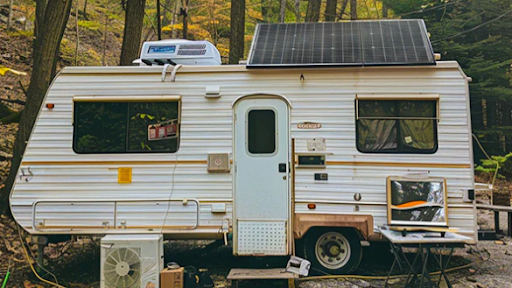
For RV enthusiasts, the open road represents freedom—freedom to explore, to set your schedule, and to experience the great outdoors on your terms. But even the most self-sufficient travelers often face one common challenge: power. Relying on RV park hookups or running a generator can limit where and how long you can stay in a location. This is why more and more RV owners are turning to renewable energy solutions like solar power.
Why Solar Power Fits the RV Lifestyle
Unlike generators, solar systems operate silently, require minimal maintenance, and produce clean energy without fuel costs. A well-designed BougeRV solar panel for RV can keep your batteries charged wherever the sun is shining, whether you’re camped deep in the backcountry or parked by the beach. This independence not only expands your travel options but also cuts down on your environmental footprint.
Solar power also allows you to make the most of boondocking opportunities—staying off-grid for days or even weeks without having to sacrifice comfort. From running lights and fans to powering appliances and electronics, solar can handle most everyday RV needs when paired with the right battery bank.
The Versatility of a 300 Watt Solar Panel
When choosing a solar setup for your RV, size and efficiency matter. BougeRV’s 300-watt solar panel is a popular choice because it offers a strong balance between output and portability. With sufficient sunlight, a single 300W panel can generate enough energy to power small appliances, recharge devices, and contribute significantly to battery storage.
For many RV owners, starting with a single 300W panel provides a manageable entry into solar power. As your energy needs grow, you can expand your system by adding more panels in series or parallel. This flexibility means you can scale your solar array to match your travel style and electrical demands.
Maximizing Efficiency with Smart Planning
To get the most out of your RV solar setup, it’s important to evaluate your power needs before installation. Start by listing the devices and appliances you plan to use, along with their wattage and expected run times. This will help you determine the right combination of panels, batteries, and charge controllers.
Proper positioning is also key. Mounting panels flat on the RV roof is convenient and streamlined, but portable or tiltable panels can help you optimize energy collection when parked for extended periods.
A Long-Term Investment in Freedom
While there’s an upfront cost to installing solar, the long-term savings can be significant. You’ll spend less on campground fees for electrical hookups, cut down on generator fuel costs, and enjoy the peace of mind that comes from having a renewable power source wherever you travel.
For RVers looking to travel farther, stay longer, and live more sustainably, investing in solar isn’t just a smart choice—it’s a lifestyle upgrade. With the right system in place, you can take full advantage of the freedom that RV life promises, all while keeping your lights on and your devices charged no matter where the road leads.