

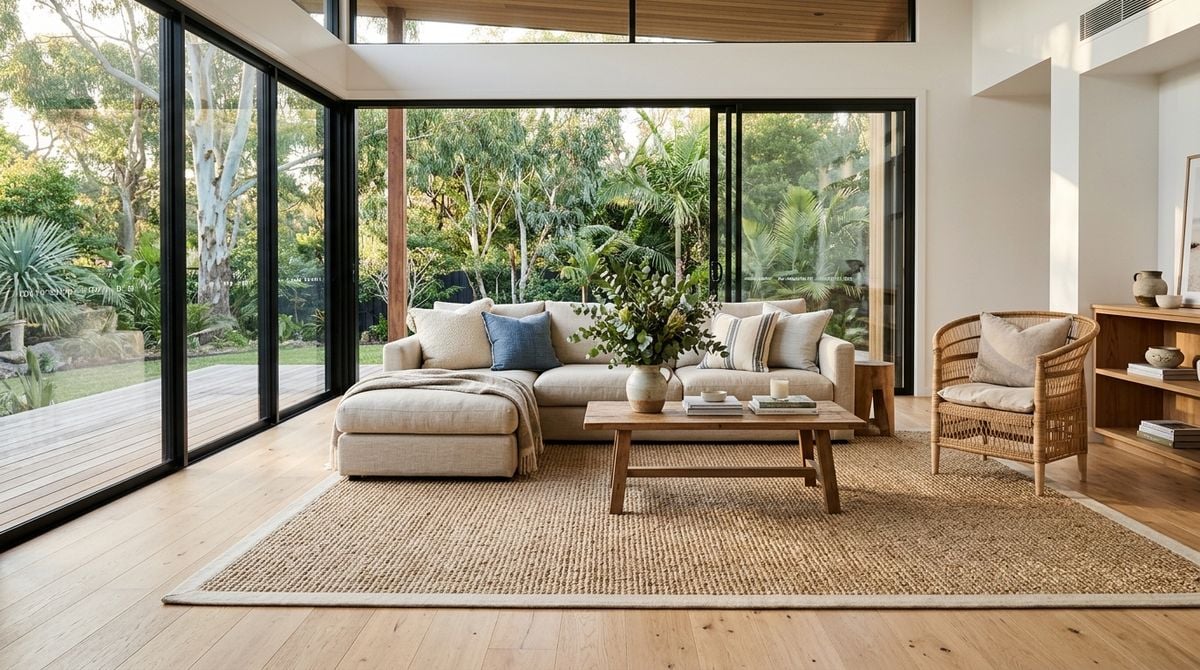
Homeowners rarely begin their search journey looking for a specific brand or boutique retailer. Instead, they begin with a room that feels cluttered, an awkward corner that lacks light, or an empty apartment that needs warmth and personality. For independent home decor shops and boutique interior websites, these informational moments represent one of the most effective ways to introduce your brand to new audiences. Creating thorough, helpful makeover guides allows you to meet potential customers at the exact moment they are looking for solutions.
Search engines increasingly reward websites that provide complete, helpful answers to everyday problems rather than those that simply string together broad product keywords. By shifting your editorial focus from catalog listings to practical room transformation tutorials, you build topical authority while providing genuine value. The goal is to guide readers through practical decisions, helping them envision how colors, textures, and layouts interact to create a welcoming home environment.
Understanding the Search Intent Behind Room Transformations
When someone searches for guidance on redecorating a bedroom or organizing a home office, their intent is rarely purely transactional. They want step-by-step clarity, realistic styling suggestions, and reassurance that their ideas can work within their specific space. Understanding this mindset is critical for planning editorial calendars that resonate with readers. If your content only presents styled photographs without explaining the thinking behind each choice, visitors will quickly bounce back to search results to find more actionable instructions.
A successful decorating guide breaks down the emotional and functional needs of the space. Consider how an informational resource like hellotalja.com approaches home improvement by emphasizing that every homeowner deserves a comfortable, attractive living space. Framing your editorial content around accessibility and encouragement helps remove the intimidation often associated with interior design, establishing an approachable tone that keeps readers engaged across multiple visits.
To capture informational search queries effectively, identify the specific questions homeowners ask before making any purchases. Do they struggle with balancing natural and artificial lighting? Are they uncertain about choosing rug dimensions for compact living rooms? By structuring articles around these foundational concerns, you address the genuine informational gaps that standard product category pages overlook.
Structuring Practical Room-by-Room Advice
Organizing an extensive decorating tutorial requires a logical framework that readers can skim effortlessly. Avoid sprawling blocks of text that mix paint recommendations with furniture placement and textile selections. Instead, divide your guide into sequential stages that mirror the actual redecorating process. Begin with decluttering and spatial assessment, transition into core furniture arrangements, and conclude with accent layers and lighting.
Clear heading tags play an essential role in both usability and search engine discovery. Using descriptive subheadings enables readers to jump directly to the stage most relevant to their project. Furthermore, integrating contextual cross-links ensures visitors can explore deeper aspects of your site without friction. If your business focuses on image-heavy showcases alongside written advice, reviewing our guide on visual SEO and content planning can help align your photography with your editorial calendar.
Each section should combine conceptual guidance with concrete actions. Rather than merely advising readers to select complementary accent pillows, describe how contrasting textures like boucle and linen create tactile warmth on a leather sofa. This level of practical detail demonstrates firsthand knowledge, signaling to both readers and search crawlers that your website offers original, experience-driven advice.
Targeting Specific Challenges Instead of Generic Keywords
Broad search phrases like modern home decor or bedroom furniture are fiercely competitive and often attract casual browsers rather than engaged readers. Small decor businesses achieve stronger search visibility by targeting specific, problem-oriented queries that larger retail platforms tend to ignore. Homeowners actively search for ways to solve awkward architectural quirks, maximize utility in small spaces, or harmonize mismatched furniture pieces.
Addressing these distinct lifestyle scenarios allows you to craft highly relevant articles that directly resolve common pain points. Consider structuring your upcoming guides around these recurring design challenges:
- Arranging furniture in narrow living rooms with offset doorways.
- Layering ambient and task lighting in rooms with minimal natural sunlight.
- Selecting durable, stain-resistant fabrics for busy family dining spaces.
- Blending vintage accent pieces with contemporary foundational furniture.
Focusing on specialized dilemmas builds topical depth across your website. When search engines observe that your domain consistently answers related questions within a specific niche, your overall topical relevance increases. This thematic consistency helps your independent brand earn visibility for an array of descriptive, long-tail phrases that direct qualified traffic to your articles.
Connecting Aesthetic Vision to Actionable Steps
Great home content balances aspirational dreaming with realistic implementation. While stunning imagery inspires readers to imagine what their home could become, clear instructions give them the confidence to execute those changes. When a blog post presents an immaculate room without explaining the practical adjustments or functional trade-offs involved, readers may feel inspired but ultimately unable to apply the ideas.
Bridging this gap requires breaking down high-concept aesthetics into achievable milestones. A thoughtful example of connecting aspirational concepts to comfortable living spaces can be observed on platforms like nghomedecor.com, where the primary focus centers on turning decorative dreams into a better everyday living environment. By showing readers that a beautiful home is achievable through methodical choices rather than immediate, costly overhauls, you foster genuine trust.
When presenting styled photographs, supplement each visual with explanatory captions that highlight the functional decisions behind the arrangement. Explain why a particular mirror was placed across from a window to bounce daylight, or how a low-profile media console prevents a compact room from feeling crowded. These actionable annotations transform passive visual browsing into a valuable educational experience.
Maintaining Relevance and Accuracy Over Time
Publishing an article is only the initial step in establishing a durable content asset. Interior styles evolve, home layout preferences shift, and older recommendations can become outdated. Establishing a regular review cycle ensures your makeover guides remain valuable to new visitors and search engines alike. Outdated advice or broken links diminish user trust and signal neglect to automated search systems.
During routine content audits, review your published guides to verify that styling recommendations align with contemporary living habits. Refresh descriptive copy, replace dated photographs with clearer imagery, and expand sections that receive regular questions in your comments or customer inquiries. Consistent updates preserve the authority of your primary pages, allowing them to remain authoritative cornerstones of your overall digital marketing strategy.
Investing in thoughtful, well-structured home improvement tutorials provides small decor brands with a sustainable foundation for organic discovery. By prioritizing clear problem-solving, intuitive page structure, and practical advice, you create an enduring resource that welcomes homeowners into your brand community while steadily expanding your online footprint.