

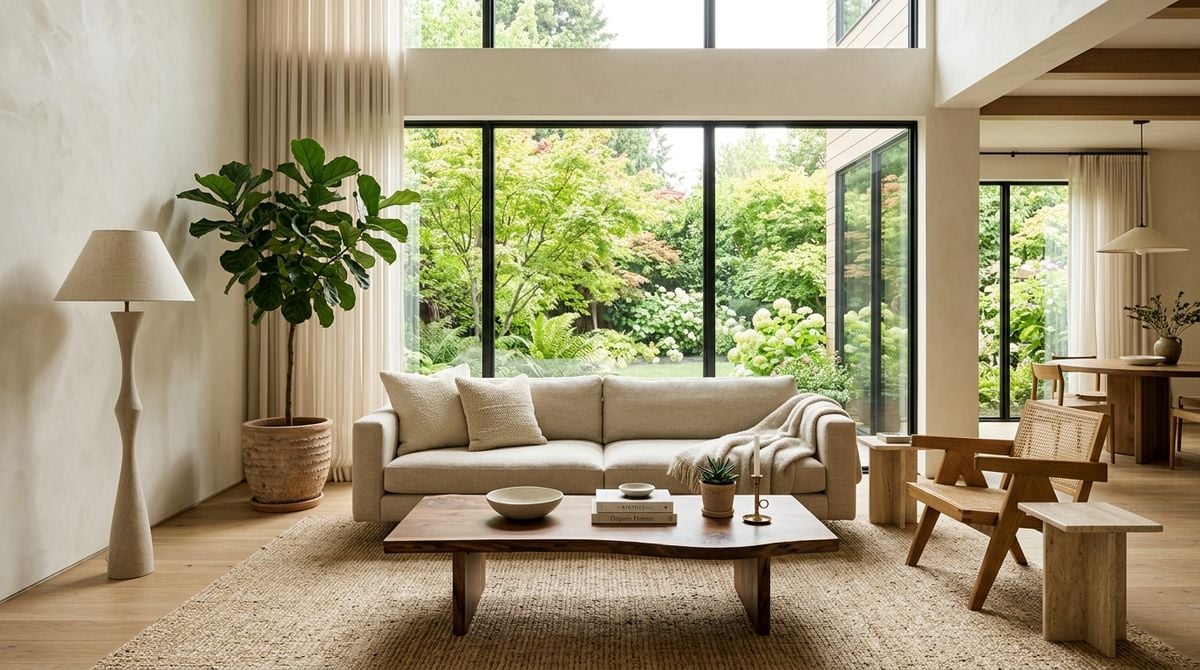
Interior decorators and residential stylists often face a common hurdle when planning an organic search strategy. Their work is fundamentally sensory and visual, while search engines rely on structured text and contextual relevance to index pages. A gallery filled with stunning photographs might delight a visitor who is already on your site, but without thoughtful text around it, search engines struggle to understand what makes each room special or who might need your help.
Bridging this gap requires a balanced approach to content planning. By translating visual choices into searchable topics, styling studios can attract potential clients who are looking for ideas, room makeovers, or complete residential updates. Building an organic presence does not mean turning an elegant portfolio into a crowded wall of keywords. Instead, it involves documenting your creative process, describing materials clearly, and organizing your work into topics that reflect how clients actually look for design services.
Understanding How Homeowners Search for Aesthetic Guidance
Prospective design clients rarely begin their search journey by typing generic corporate terms into a search bar. Homeowners looking for guidance usually start with specific questions about layout dilemmas, lighting challenges, or ways to balance color palettes in compact floor plans. They search for specific aesthetic directions, like mid-century living room arrangements, warm minimalist bedrooms, or functional entryway storage solutions.
When you map out content for your styling business, focus on the real-world motivations behind these searches. People want spaces that feel personal, welcoming, and suited to their daily routines. Stylists who succeed at lifestyle-driven search take inspiration from established studios that highlight residential personality, such as Design Shanghai, where the visual narrative centers around creating spaces that reflect individual character and everyday comfort. Connecting your service offerings to these emotional and functional desires helps search engines understand the broader context of your design philosophy.
To capture early-stage search traffic, write informative articles that address specific design questions. Explain how to select the right dining table shape for an open-concept area or how to layer textiles to soften a modern room. When your site provides clear answers to these initial questions, readers naturally view your studio as a knowledgeable guide long before they are ready to book a full consultation.
Structuring Project Portfolios for Search Visibility
A typical portfolio page features a series of high-resolution images accompanied by a short paragraph naming the client or the general neighborhood. While this minimalist presentation looks sleek, it leaves search engines with almost no contextual information to parse. Every completed project is an opportunity to publish an informative case study that targets relevant local and stylistic search terms.
Rather than simply labeling a project with a creative nickname, give each portfolio entry a descriptive, search-friendly title. Break the project down into its foundational components: the initial architectural challenges, the client needs, the color scheme selected, and the spatial changes implemented. Explain the trade-offs involved in choosing specific fabrics or lighting fixtures. This gives search engines substantial text to index while offering prospective clients a transparent view into your problem-solving abilities.
Much like the structural principles explored in our guide to content strategies for home service brands, visual professionals must connect aesthetic concepts with functional solutions so search crawlers understand the intent behind each service page. When project pages clearly outline the practical improvements made to a home, they perform far better in search results than solitary photo galleries ever could.
Crafting Descriptive Copy for Visual Highlights
Descriptive text on a design website should do more than merely list furniture brands. Effective design writing narrates the sensory experience of a room, helping readers imagine how natural light interacts with textured surfaces or how a specific furniture arrangement improves daily movement through a home. This descriptive depth is exactly what search engines need to associate your site with nuanced interior design queries.
When describing a completed room, discuss how individual decorative items contribute to the wider atmosphere. Highlight how accent pillows, handmade ceramics, and curated wall art add warmth without cluttering the floor plan. Focus on small transformations that readers can visualize in their own living rooms, taking cues from creative platforms like rawreplaymedia.com that emphasize using thoughtful accents to brighten and elevate everyday living spaces. Framing decor choices around brightness, balance, and spatial harmony provides both aesthetic inspiration and searchable terminology.
Make sure to discuss maintenance and longevity as well. Clients appreciate knowing why you chose durable linen for a sunny reading nook or how a particular wood finish resists wear over time. Addressing these practical considerations answers common homeowner concerns and broadens your library of long-tail search terms naturally.
Essential Image Metadata and Technical Best Practices
Because visual assets form the backbone of an interior design website, treating your media files with technical care is essential for organic performance. Search engines cannot view photographs the way humans do; they rely on file names, alternative text, and adjacent descriptions to determine what an image depicts. Uploading raw files straight from a camera with default numbers as names creates a missed opportunity for search discoverability.
Every image on your website should be carefully prepared before publication. Ensure that the surrounding text supports the image subject and that your file structure reflects your primary service categories.
- Rename media files using plain, lowercase words separated by hyphens to describe the specific room, style, and prominent materials shown in the frame.
- Write informative alternative text that describes the visual arrangement accurately for screen readers and search crawlers without stuffing repetitive phrases.
- Compress image files appropriately so that pages load quickly and smoothly on mobile devices without sacrificing the clarity of your design details.
- Group related project images under distinct thematic sections rather than scattering them across a single unorganized photo grid.
Taking the time to systematically label and compress your images ensures that your portfolio ranks well in visual search results. When a prospective client searches for a specific room configuration or color palette, properly optimized imagery increases the likelihood that your project appears directly in image search feeds.
Building Long-Term Authority Across Style Categories
To sustain organic search visibility over time, create dedicated category hubs for your primary design styles and room types. Instead of grouping all residential projects under a single generic portfolio tab, organize your work into specific subcategories like kitchen styling, nursery design, or small-space organization. Each category hub can serve as a comprehensive resource featuring introductory advice, curated project examples, and links to relevant blog posts.
This organized architecture signals to search engines that your site possesses topical depth across various facets of interior decoration. It also creates an intuitive browsing experience for visitors who want to explore a specific aesthetic before reaching out. When you regularly add new project studies and helpful styling guides to these hubs, your website establishes lasting authority as an indispensable resource for thoughtful home design.
Consistent content planning transforms a static portfolio into an active client acquisition channel. By combining compelling photography with informative, structured text, interior stylists can build an enduring web presence that attracts clients seeking beautiful, livable homes.