

Independent retailers face a unique challenge when building an online presence. Without massive advertising budgets, boutique shops must rely on emotional connection, distinctive presentation, and thoughtful discoverability. For businesses catering to passionate communities, such as pet parents seeking natural living options, visuals are often the very first touchpoint. A customer browsing for wholesome goods wants to see authentic care, craftsmanship, and real-life application before making a buying decision.
Effective digital marketing is not just about placing products on a blank background. It requires weaving visual assets into a broader search engine optimization framework. When boutique owners combine genuine photography with sound technical optimization, they create a storefront that appeals to both human shoppers and search engine crawlers. This approach transforms static product listings into engaging digital narratives that build trust and foster long-term customer loyalty.
Embracing Authentic Imagery Over Generic Stock Photos
Many small online stores fall into the trap of using generic stock images that look sterile and disconnected from everyday life. Customers can immediately sense when imagery lacks authenticity. In lifestyle and wellness categories, shoppers respond to warmth, spontaneous moments, and natural environments. Highlighting real pets playing in outdoor settings, unboxing wholesome goods, or interacting gently with their human companions creates an immediate emotional bridge.
Studying community-driven platforms that celebrate real-world animal companionship can provide valuable inspiration for visual curation. For example, creative hubs like animals-photos.net illustrate how authentic snapshots of pets living naturally create deep resonance compared to rigid commercial setups. By observing how genuine photography captures unscripted expressions and everyday joy, boutique merchants can better understand what types of visual assets evoke trust among prospective buyers.
When planning your photography sessions, focus on narrative context. Instead of photographing an artisan leash or an organic treat pouch in isolation, show it in action. A dog resting comfortably on an eco-friendly bed or a cat curiously exploring a natural toy tells a story about comfort and well-being. These lifestyle cues help shoppers visualize how a product fits into their own daily routines.
Technical Image Optimization for Search Discoverability
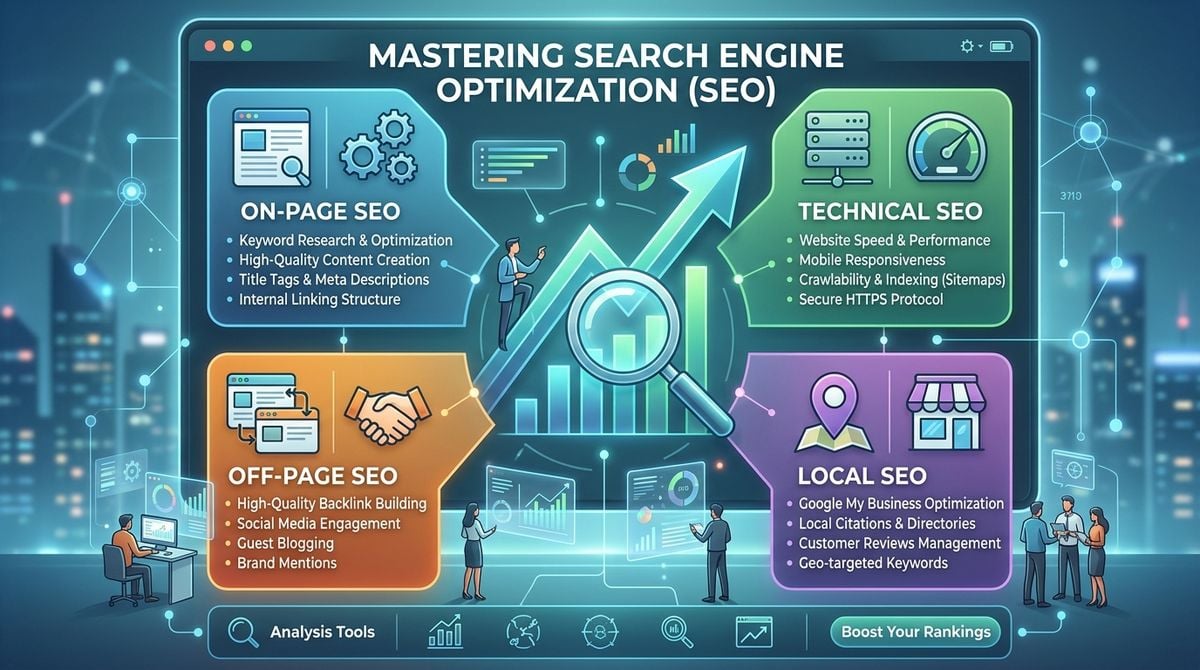
Compelling images must be properly optimized to help search engines index and understand your visual content. Search engines rely on text cues and technical attributes to interpret image files, determine topical relevance, and serve images in visual search results. Taking time to establish consistent technical standards ensures that your visual assets actively contribute to your site discoverability.
Start with descriptive file names. Generic camera labels tell search engines nothing about your content. Rename image files using clear, hyphenated keywords that describe the subject matter, such as natural-hemp-dog-collar or organic-cotton-cat-bed. Keep file names concise and accurate, avoiding keyword stuffing that could confuse search crawlers.
Alternative text, commonly known as alt text, is another crucial element for both accessibility and search visibility. Write alt text that accurately describes the visual scene for screen readers while naturally incorporating relevant keywords. If an image displays a golden retriever chewing an all-natural sweet potato treat on a living room rug, state that clearly in the alt text. This level of detail provides context for visually impaired users while signaling content relevance to search engines.
File formatting and loading speed also impact search rankings and visitor retention. Heavy image files slow down page loading times, leading to higher bounce rates on mobile devices. Compressing images without sacrificing visual clarity and serving them in modern web formats keeps your digital storefront fast, smooth, and responsive across all screen sizes.
Curating Product Showcases Around Core Community Values
Boutique e-commerce platforms often succeed because they represent a specific philosophy rather than trying to be everything to everyone. Independent merchants frequently partner with small makers who craft specialized, high-integrity products. Highlighting these creator stories through dedicated collection pages and product showcases elevates the perceived value of your catalog.
Curated retail platforms demonstrate how powerful mission-driven merchandising can be when connecting mindful consumers with passionate creators. Online storefronts such as pet-select-shop.com demonstrate this model by organizing natural pet supplies around independent entrepreneurs and shared wellness values, offering a blueprint for mission-driven product categorization. Grouping items around distinct themes, such as holistic grooming or sustainably sourced chews, allows shoppers to explore products based on shared principles.
To reinforce this thematic structure on your website, build dedicated collection hubs. Each hub should feature informative introductory text explaining the standards used to select those items. When you combine curated collections with rich product photography and maker spotlights, your site naturally develops semantic depth around your niche, helping search engines understand your core focus areas.
Integrating Visual Assets with Educational Content
Visual merchandising reaches its full potential when paired with helpful written resources. Educational articles, buying guides, and care routines provide the ideal context for displaying your photography. Rather than treating blog posts and product pages as separate entities, weave them together to guide visitors through their research process.
If your boutique sells chemical-free flea remedies or raw food accessories, publish detailed care guides explaining how to incorporate those items into a holistic pet routine. Embed high-resolution photos directly within the guide to illustrate each step. Linking educational materials to relevant product listings provides a seamless pathway for readers who want to implement your recommendations.
For store owners seeking to structure their broader publishing schedule, revisiting our guide to modern pet care search strategy can provide useful guidance on balancing transactional listings with long-form educational topics. Aligning informative articles with visual galleries reinforces your site topical authority, signaling to search engines that your domain provides comprehensive value to searchers.
Practical Steps to Build a Sustainable Visual Library
Developing a rich library of original visual content does not require an enterprise production budget. Small business owners can steadily accumulate high-impact imagery by establishing simple operational routines. Consistency and authenticity matter far more than elaborate studio lighting.
Consider these practical steps when assembling your store visual media:
- Capture lifestyle photos in natural daylight to highlight the true textures and colors of your products.
- Document behind-the-scenes moments, including packaging, ingredient sourcing, and interactions with happy animal companions.
- Invite loyal customers to share unvarnished photos of their pets enjoying your products in everyday settings.
- Organize image folders by product category and seasonal campaign to streamline future content publishing.
- Audit existing product pages periodically to replace outdated photos with sharper, better-optimized assets.
Maintaining an organized media archive ensures that your team always has access to relevant visual assets for new blog articles, email newsletters, and seasonal promotional campaigns. Over time, this expanding repository becomes a significant digital asset that strengthens your brand identity across all customer touchpoints.
Building an enduring boutique brand online requires equal attention to emotional resonance and technical precision. By combining authentic visual storytelling with thoughtful image search optimization, independent merchants can cut through the noise of crowded digital marketplaces. When your visuals reflect genuine passion and your site architecture makes those assets effortless to find, your business creates meaningful connections that endure well beyond the initial visit.