

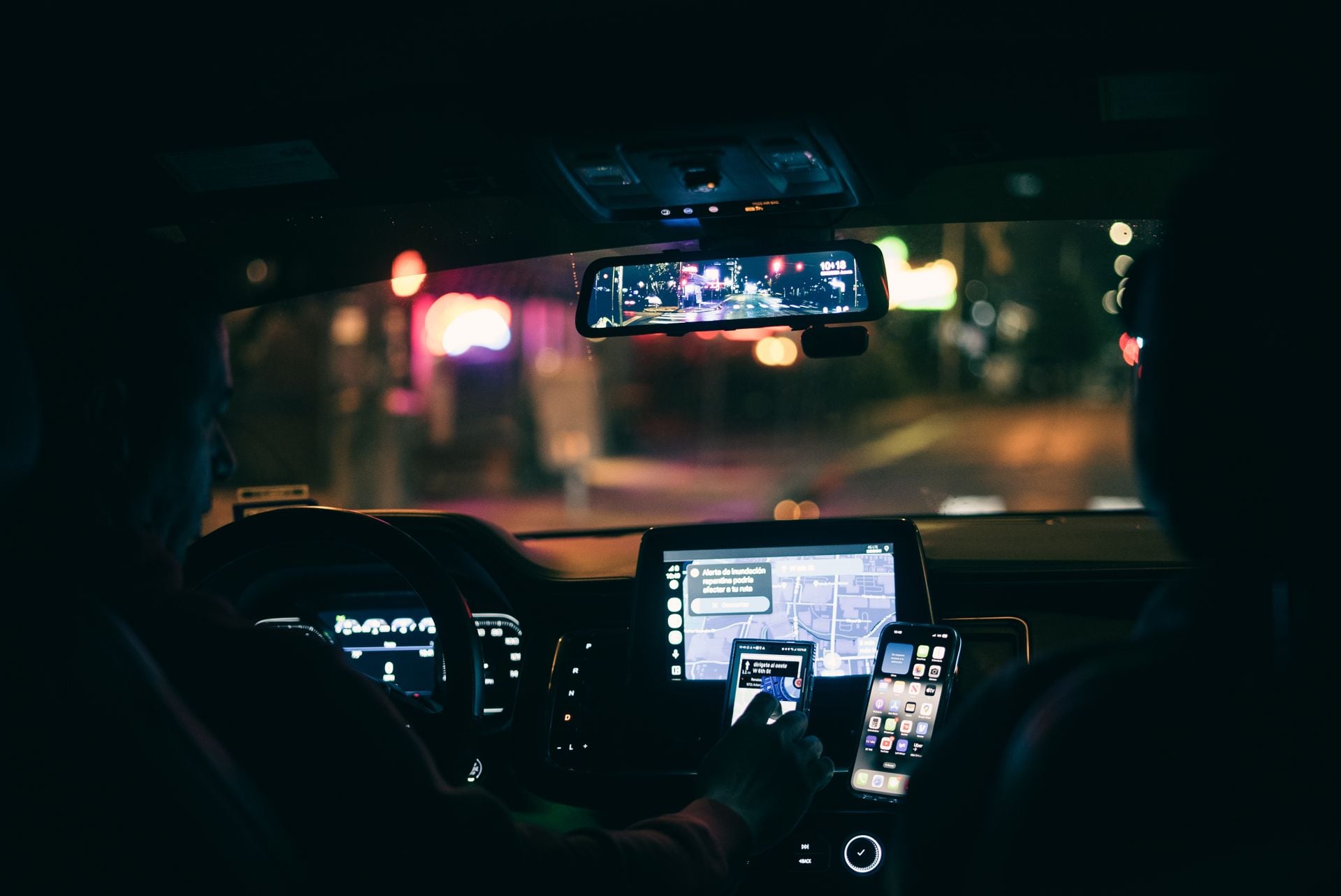
A passenger injured in a ride-share crash may know almost nothing about what happened. They didn’t choose the driver, maintain the car, or control the route. They may not even know how fast the vehicle was traveling before impact.
The app may know considerably more. Ride-share trips can generate a digital trail that includes GPS data, speed and braking information, trip timestamps, and other sensor data. That can turn a crash that once depended heavily on witness accounts into one with a detailed electronic record. The problem is that some of that evidence may only be available for a limited time, making what an injured passenger does in the days after the crash especially important.
Ambulance or Personal Car to the ER
A shaken passenger climbing out of a crumpled sedan usually gets one honest choice: call an ambulance, or let a friend drive them to urgent care. The friend feels faster and cheaper. It is neither, if the injuries turn out to be real.
The ambulance run sheet is contemporaneous evidence created by a neutral third party. It timestamps symptoms, vitals, and mechanism of injury within minutes of the crash. Nothing built later carries the same weight. A same-day urgent-care visit is a distant second, and a next-morning walk-in is where insurers start arguing that something else caused the pain.
If there is any loss of consciousness, neck pain, numbness, or a hit to the head, take the ambulance. Passengers rarely regret over-triaging. They regularly regret the opposite.
Report Inside the App, or Only to Police
Police reports matter. So does the in-app crash report, and the two do different jobs. Filing inside the ride-share app is what triggers the platform’s internal incident record, opens the insurance claim on the company’s side, and flags the trip so its sensor data is more likely to be held rather than aged out on a normal retention schedule.
The catch is what a passenger types into that in-app form. Anything written there is a statement that can be pulled into the claim file later. Keep it factual, short, and free of guesses about fault or speed. Real-time telemetry, GPS traces, and accelerometer streams sit on platform servers with their own retention windows, and a formal report is what preserves the argument that they should be held.
Talk to the Adjuster Now, or Route Everything Through a Lawyer
The platform’s insurer usually calls within a day or two. The voice is friendly, the recording disclosure is fast, and the questions sound like housekeeping dressed up to look harmless while doing real work on the file.
Coverage on a ride-share trip depends on which phase the app was in at the moment of impact: offline, waiting for a request, en route to a pickup, or carrying a passenger. The adjuster’s early questions are often aimed at pinning that down. The three coverage periods that govern transportation network company policies produce very different payout ceilings, and injured passengers can face real friction collecting compared with someone hurt in a traditional taxi.
Recorded statements given in the first week rarely help the passenger and often lock in language that gets used months later. Consulting a personal injury firm before that call is the cheapest step in the whole process. Most consultations cost nothing, and the intake conversation itself will surface what to preserve.
Push for the Trip Data, or Settle on What the App Screen Shows
The receipt screen shows a map, a time, and a fare. The underlying trip file is much richer: second-by-second GPS, speed, phone-based accelerometer readings, hard-braking and hard-acceleration events, and, on platforms with on-trip crash detection, an automated flag with the sensor context that triggered it.
That richer file is what turns a he-said-she-said intersection claim into a reconstructed timeline. It also answers questions the passenger can’t answer alone. Was the driver going 47 in a 30? Did the phone register the impact before the driver reported it? Had there been a pattern of hard braking earlier in the shift?
Settling on the receipt is settling for the surface. Requesting the underlying trip data, through counsel, in writing, with a preservation demand, is what forces the platform to hold and eventually produce it.
The Window Closes Faster Than People Expect
Sensor logs age out. Dashcam loops overwrite. Memories soften and get rewritten by the retelling. The passenger who takes the ambulance, files the in-app report carefully, flags the cameras, and gets a lawyer on the phone inside the first week isn’t being dramatic. They’re the one whose evidence still exists in month three, when the claim actually gets valued.