

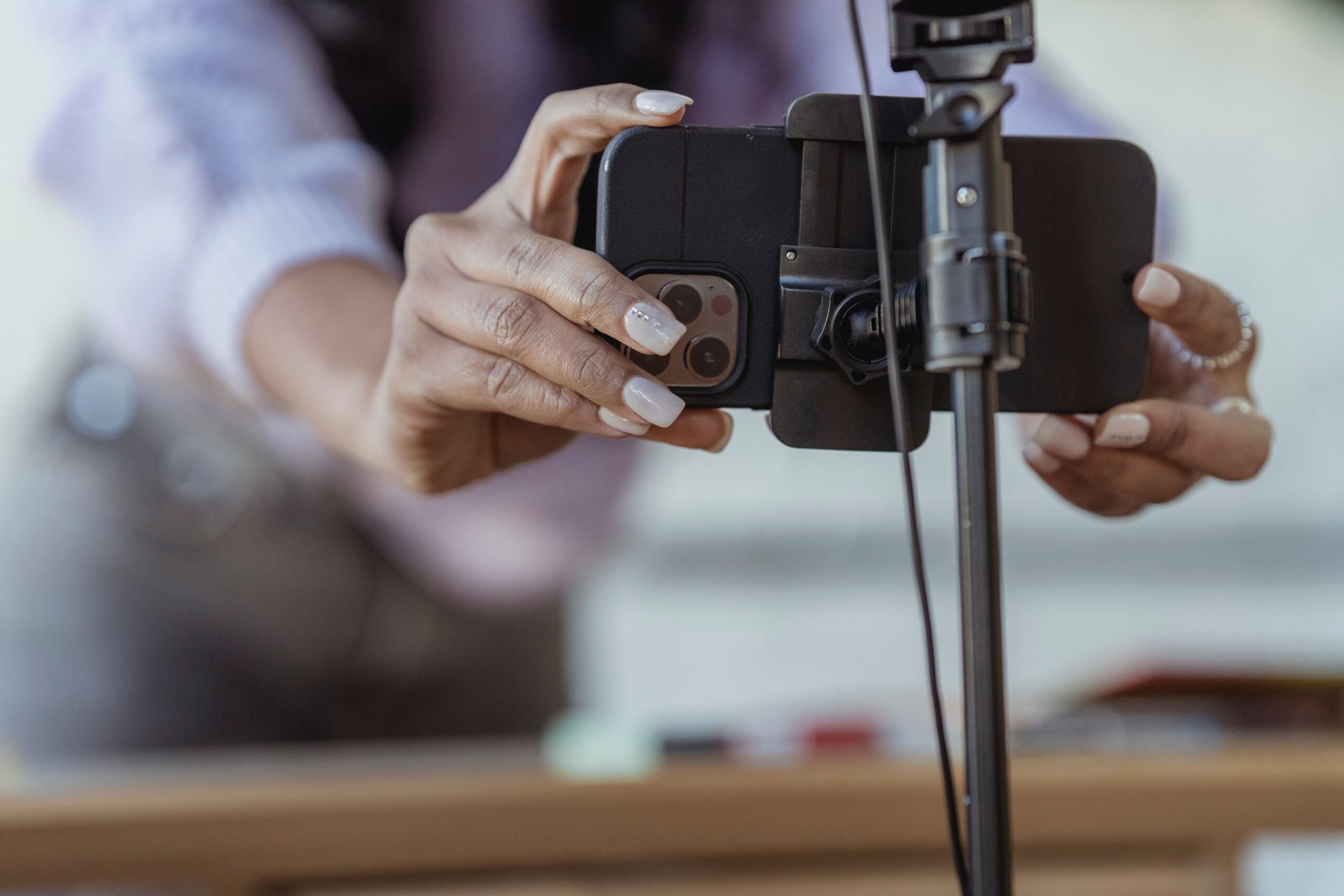
Social media turned niche inventions into overnight categories by collapsing the distance between an inventor and the exact people who want the product. A single short video showing a clever solution to a small, specific problem can reach millions of people who share that problem, and demand that once took years to build through retail can now form in days. The mechanism is simple: platforms reward products that demonstrate well on camera, and a well-designed invention often demonstrates beautifully.
Why niche is the advantage, not the limit
Old retail logic treated a narrow audience as a weakness. Shelf space was scarce, so products had to appeal broadly. Social platforms invert that. A video about a tool that solves one oddly specific annoyance finds the people who have that annoyance, and their reaction, tagging friends, sharing, commenting, signals the platform to show it to more people like them. A product that would never earn national shelf space can become a category leader online because the platform does the sorting.
This is why kitchen gadgets, pet accessories, and organizing tools keep going viral. They solve visible problems, the solution is obvious in motion, and the payoff lands in the first few seconds of a clip.
The visual demonstration test
The inventions that spread share a trait: they show their value without explanation. If a product needs a paragraph to justify itself, it struggles on a platform built for motion and speed. If it can be understood in a five-second clip, it has a chance. This puts a premium on how a product looks and moves before a single unit ships.
What this demands of the product itself
Virality rewards products that are visually finished. A rough prototype does not perform on camera. The version that spreads looks like a real product, with clean lines, considered color, and a form that reads instantly. That standard has pulled product presentation earlier in the process, because inventors now need convincing visuals long before mass production.
Enhance Innovations, a product development firm founded in 2010 in Champlin, Minnesota, works virtual-first for reasons that map directly onto this shift. Photorealistic renderings and short product animation produce the kind of clean, camera-ready visuals that a social audience responds to, and a computer-aided design model keeps the eventual product faithful to what people saw. By keeping design, engineering, marketing, and licensing under one roof, the firm lets an inventor prepare presentation materials and a manufacturable design at the same time, rather than treating marketing as an afterthought once the product exists.
The risk hiding in the hype
An overnight category creates an overnight problem: protection and supply. An idea that spreads is an idea that gets copied, quickly. Inventors who go viral without having filed for protection often watch imitators flood the same platform within weeks. The Small Business Administration’s guidance on protecting intellectual property exists precisely because a good idea is vulnerable the moment it is public.
File before you go viral, not after
The sequence that protects an inventor runs opposite to the temptation. Confirm the idea is new, file for protection, and prepare supply before chasing attention. A provisional application secures a priority date, and the USPTO’s patent basics explain how patent-pending status works. Going viral first and filing second is a common and costly reversal, because a public disclosure can complicate protection and because copycats do not wait.
Attention is not distribution
A viral moment creates demand, but demand without inventory is a missed opportunity, and sometimes a reputational one. Inventors who reach a large audience and then cannot ship for months lose the momentum they earned. This is why the boring work, a manufacturable design, a sourced factory, protection on file, matters more, not less, in a world of instant attention. The platforms can create a category in days. Filling it still takes preparation.
The lesson for inventors
Social media has genuinely changed what one inventor can achieve, letting a niche product find a national audience without a retail buyer’s permission. But the platforms reward products that are visually finished and punish inventors who are unprepared for the demand they create. The winners treat presentation, protection, and supply as work to do before the spotlight, not after. A great clip opens the door. A finished, protected, buildable product is what walks through it.