

In the intricate tapestry of modern enterprise, every piece of technology—from a laptop and a software license to a virtual server in the cloud—represents a critical thread. For decades, managing these threads was a cumbersome, often manual process, relegated to complex spreadsheets and siloed databases. Today, that approach is not just inefficient; it’s a significant business risk. This fundamental shift is fueling a remarkable expansion in the IT Asset Management (ITAM) software market, which is transforming from a niche administrative tool into a cornerstone of strategic business intelligence.
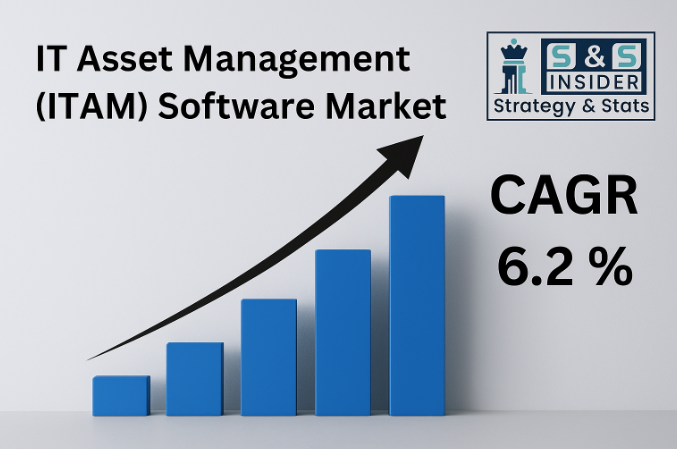
The numbers speak to this urgent need for better asset governance. The IT Asset Management (ITAM) Software Market size was valued at USD 1.81 Billion in 2024 and is expected to reach USD 2.9 Billion by 2032, growing at a compound annual growth rate (CAGR) of 6.2% over the forecast period 2025-2032. This growth is not happening in a vacuum. It is a direct response to the powerful, complex forces reshaping the corporate technological landscape, pushing organizations to seek clarity, control, and cost-efficiency like never before.
The Unmanageable Weight of Digital Sprawl and the Shift to Proactive Governance
The first major driver of this market growth is the sheer explosion of assets that need to be managed. The era of a simple, on-premise network with a finite number of desktops is over. We now operate in a hybrid world defined by digital sprawl. Employees use a mix of corporate-owned and personal devices (BYOD), applications are hosted across public clouds, private data centers, and in SaaS environments, and software subscriptions are constantly being activated and deactivated. This creates a vast, dynamic, and often opaque inventory that is impossible to track manually.
This sprawl introduces immense risk. Without a centralized, automated system, organizations face severe compliance pitfalls. A single unaccounted-for software license can lead to costly penalties during a vendor audit. Security vulnerabilities flourish when IT teams lack a complete view of all assets, leaving unpatched devices or unauthorized software as open doors for cyber threats. Consequently, ITAM software is no longer seen as a mere cost-saving measure for the procurement department. It has become an essential platform for proactive governance, providing a single source of truth that enables organizations to mitigate financial, legal, and security risks before they escalate into crises.
Financial Optimization as a Strategic Imperative in an Uncertain Economy
In a climate of economic uncertainty and heightened scrutiny on operational expenditures, the ability to optimize technology spending has moved from a best practice to a strategic imperative. Chief Financial Officers and IT leaders are under continuous pressure to do more with less, justifying every dollar spent on technology. ITAM software provides the granular data needed to move beyond guesswork and into precise financial management of the IT estate.
This is where the return on investment for a robust ITAM platform becomes strikingly clear. By providing complete visibility into software utilization, companies can identify and eliminate shelfware—expensive licenses for applications that are rarely or never used. They can negotiate more effectively with vendors by leveraging accurate data on actual usage rather than estimates. Furthermore, in the complex world of cloud computing, ITAM tools are critical for tracking resource consumption and identifying waste, preventing shocking and unexpected bills from cloud service providers. This proactive financial oversight directly contributes to the bottom line, freeing up capital that can be reinvested into innovation rather than wasted on redundant or underutilized assets.
The Increasingly Complex Web of Compliance and Cybersecurity Posture Management
The regulatory landscape governing technology is becoming more stringent by the day. Data privacy regulations like GDPR and CCPA impose strict rules on where and how data is stored and processed, which inherently ties back to the physical and virtual assets handling that data. Simultaneously, software vendors are becoming more aggressive in their audit clauses, seeking to recoup revenue from organizations that are out of compliance with their licensing agreements.
In this high-stakes environment, ITAM software acts as a defensive shield. It automates the tracking of software licenses against actual deployment, ensuring that the organization is always audit-ready. It provides the documentation needed to prove compliance with various regional data laws by detailing the asset lifecycle from procurement to disposal. From a cybersecurity perspective, a comprehensive ITAM system is the foundation of any strong security posture. You cannot protect what you do not know exists. By maintaining an accurate and up-to-date configuration management database (CMDB), ITAM tools allow security teams to quickly identify vulnerable assets, prioritize patches, and respond to incidents with a complete understanding of the affected infrastructure.
The Future of ITAM: Evolving from a Tactical Tool to a Strategic Enabler
Looking ahead, the role of ITAM software is set to become even more integrated and intelligent. The market’s growth trajectory points towards platforms that are not just repositories of data, but active participants in IT operations. We are seeing the early stages of AI and machine learning being incorporated to provide predictive analytics, such as forecasting asset failure or suggesting optimal license renewal strategies based on historical trends. Integration with IT Service Management (ITSM) and security platforms will deepen, creating a seamless flow of asset intelligence across the entire technology management ecosystem.
The expansion of the IT Asset Management software market is a clear indicator of a maturing digital economy. As technology continues to be the primary engine of business value, the discipline required to manage it becomes paramount. The journey from a reactive, spreadsheet-driven approach to a proactive, software-powered strategy is no longer optional. It is a necessary evolution for any organization that aims to harness the full power of its technology investments while navigating the risks of the modern digital world. The businesses that recognize this shift and invest in comprehensive ITAM capabilities today will be the ones best positioned to thrive in the complex, asset-driven landscape of tomorrow.