

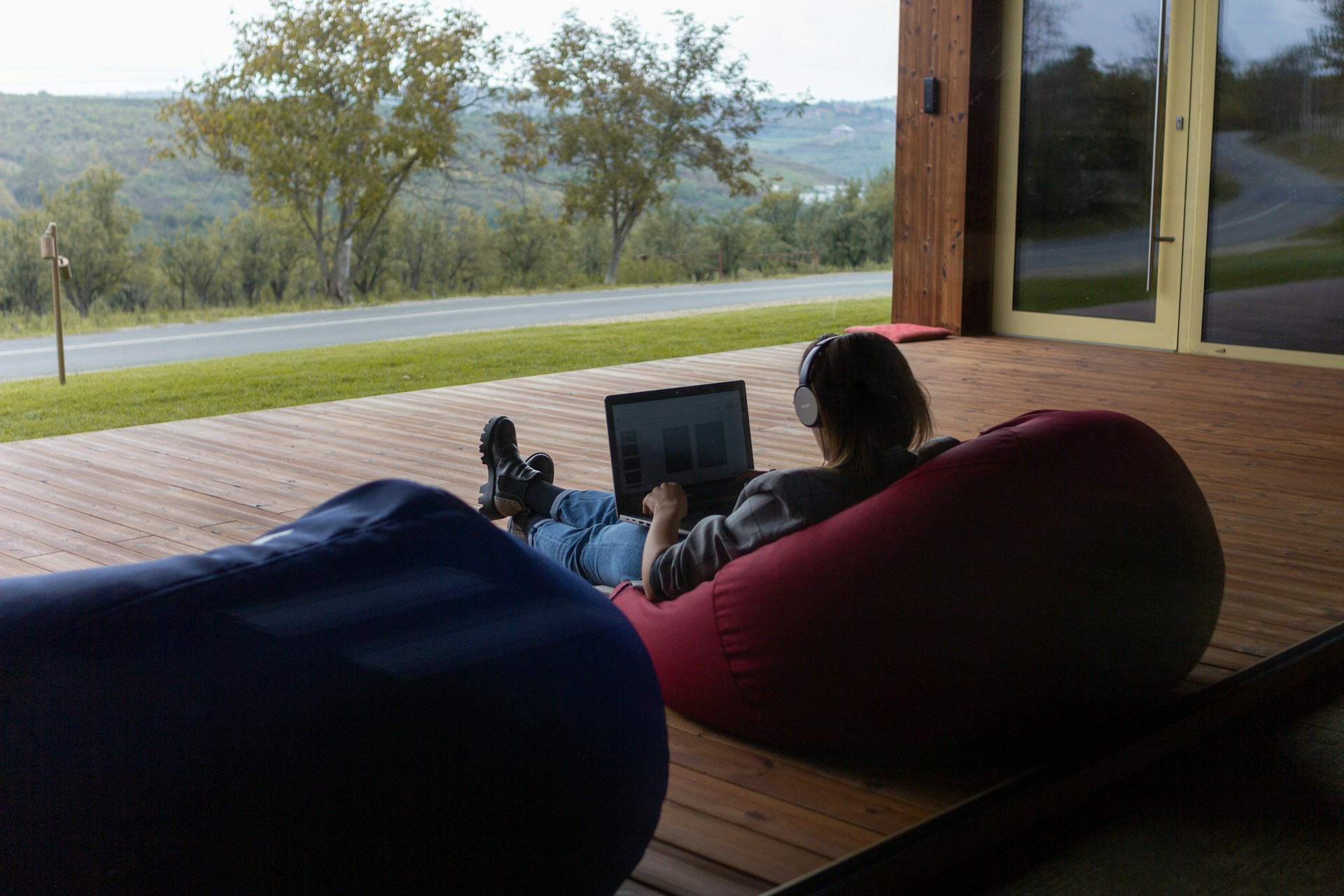
Garden rooms are increasingly shaping the remote work culture by offering dedicated, quiet spaces separate from the main home. These spaces help professionals maintain focus and balance, addressing common challenges of working from home. By creating a distinct environment designed for productivity, garden rooms support improved concentration and work-life separation.
Businesses and individuals alike benefit from garden rooms, which provide flexible, comfortable work areas that enhance well-being and efficiency. Their design encourages creativity and reduces distractions, making a garden room an attractive solution for remote work setups. This reflects a broader shift toward sustainable and practical home office spaces tailored to modern demands.
How Garden Rooms Transform Remote Work and Boost Business Productivity
Garden rooms provide a clear separation between personal and professional spaces, fostering an environment tailored for work. Their distinct location supports focus and reduces home distractions. Additionally, these spaces contribute to employee well-being and streamline remote work efficiency, making them a valuable asset for both individuals and businesses.

Key Benefits of Garden Offices for Working from Home
Garden offices offer dedicated, noise-isolated environments separate from household activities. This physical separation reduces interruptions and enhances concentration for professionals working remotely or in hybrid setups.
They can be customised with ergonomic furniture, high-speed internet, and climate control, creating a comfortable workspace optimized for long hours. This tailored environment helps maintain focus and limits stress, thereby supporting mental health.
Moreover, garden offices avoid sharing home spaces, which often blur professional and personal boundaries. This clear divide aids time management and fosters a better work-life balance while enabling more productive remote work.
Enhancing Productivity With Dedicated Workspaces
Dedicated garden rooms provide a psychological shift that signals “work mode,” which can increase productivity. This change in setting minimizes the temptation to multitask on household chores or distractions common in typical home offices.
The design flexibility of garden rooms allows integration of natural light and fresh air, which positively affects cognitive function and creativity. These factors contribute to sustained focus and better quality output.
Businesses investing in bespoke garden offices find employees report fewer distractions and greater task completion rates. The separation from home life helps employees manage their workload more efficiently, improving overall business performance.
Improving Work-Life Balance and Well-Being
Garden rooms support well-being by creating boundaries that protect personal time from work demands. When leaving the garden office, individuals can mentally disengage from work, which is crucial to reducing burnout.
Access to green space and natural surroundings within garden offices can lower stress and improve mood. This connection to nature within a workspace enhances mental health outcomes for remote workers.
Regularly stepping into a separate garden office encourages routines that balance productivity with relaxation. Employees often experience improved satisfaction and resilience when their work environment respects their need for separation and comfort.
Garden Rooms Versus Traditional Home Offices
Compared to traditional home offices, garden rooms offer stronger physical and psychological separation from everyday living areas. This separation reduces the overlap of work and domestic life, which is a common challenge in conventional home offices.
Traditional home offices often compete with household noise, shared spaces, and family interruptions. Garden rooms, by being standalone and insulated, mitigate these issues, fostering concentration.
In terms of customization, garden offices allow more freedom to create bespoke workspaces tailored to specific needs and business requirements. This leads to improved ergonomics and environment control not always possible within the main house.
Design, Sustainability, and the Future of Garden Workspaces
Garden workspaces increasingly combine tailored design, well-being elements, and sustainable practices to create productive yet eco-conscious environments. These spaces prioritize user needs, natural integration, and long-term energy efficiency to support the evolving nature of remote work.
Personalised and Innovative Home Office Designs
Garden rooms are often bespoke, designed to fit individual work styles and available space. Custom layouts can include built-in storage, ergonomic furniture, and soundproofing to minimize distractions.
Innovations like modular walls and flexible interiors allow users to adapt the workspace over time. Materials range from timber to composite panels chosen for comfort and durability.
Technology integration, such as smart lighting and climate control, supports productivity. These designs emphasize separation from household noise while maintaining convenient access to home amenities.
Natural Light, Biophilic Elements, and Well-Being
Maximizing natural light is key in garden office design. Large windows, skylights, and glass walls invite daylight, reducing eye strain and boosting mood.
Incorporating biophilic elements—plants, natural materials, and views of greenery—helps reduce stress and increase focus. Garden rooms often blur indoor and outdoor boundaries to maintain a connection to nature.
These factors contribute directly to well-being and cognitive function during work hours, reinforcing the value of garden workspaces beyond simple room additions.
Eco-Friendly Features: Sustainable Design and Energy Solutions
Sustainability is central to new garden offices, with many incorporating solar panels and renewable energy sources to lower carbon footprints.
Materials used often include recycled or locally sourced wood, low-VOC paints, and insulated panels for better thermal performance. This reduces energy consumption and enhances comfort year-round.
Energy-efficient lighting and smart heating systems contribute to minimizing environmental impact. If you’re considering adding a garden room to your property, choosing eco-friendly options can support your sustainability goals.